

Average Costs for Chicago Remodeling
Exterior remodeling in Chicago means balancing weather-resistant materials, local permit requirements, and realistic budgets to protect value and curb appeal. This guide clarifies the average costs for common exterior projects, roofing, siding, windows, decks and porches, tuckpointing, and dormer additions, so homeowners can make informed decisions tailored to Chicago’s climate and code environment.
Many homeowners face uncertainty when estimating project budgets because national averages miss local factors like freeze-thaw cycles, Chicago-specific labor rates, and permit structures; this article provides Chicago-focused cost ranges, practical ROI guidance, permit timelines, and financing options to reduce that uncertainty. You’ll find comparative cost tables, actionable lists of cost drivers, and budgeting checklists that translate technical variables (materials, scope, permitting) into homeowner decisions that protect value.
The article is organized into sections that explain cost drivers, present Chicago-specific average ranges with a scannable cost table, explore ROI strategies, outline financing options and company support, clarify permit impacts, and point to where to get detailed breakdowns and site-specific estimates. Read on for concrete numbers, decision frameworks, and clear next steps to plan a successful exterior remodel in Chicago.
What Are the Key Factors Influencing Exterior Remodeling Costs in Chicago?
Exterior remodeling costs in Chicago vary because multiple interdependent factors determine labor, materials, and regulatory expenses. Material selection changes unit costs and lifecycle expenditures, labor and project scope influence hours and specialty trades, permits and inspections add fees and schedule constraints, and Chicago’s climate necessitates weather-hardy installation methods that increase upfront cost but reduce long-term maintenance. Site access, home architecture (historic or irregular rooflines), and unforeseen conditions such as concealed rot or structural repairs also shift a project from low to high-range pricing. Understanding these drivers helps homeowners evaluate estimates and prioritize work that protects long-term value.
Chicago cost drivers fall into discrete categories that homeowners can assess when comparing bids:
- Materials: type, brand, finish, and warranty requirements.
- Labor: trade rates, crew size, and scheduling premiums.
- Permits and inspections: required filings, plan reviews, and fees.
- Site and scope: access, demolition, structural repairs, and historic preservation.
- Climate and timing: seasonal availability, freeze-thaw protection, and weather delays.
Identifying which of these elements dominate your estimate lets you focus negotiation and specification conversations with contractors and reduce surprises during construction.
How Do Materials Affect Exterior Remodeling Prices in Chicago?
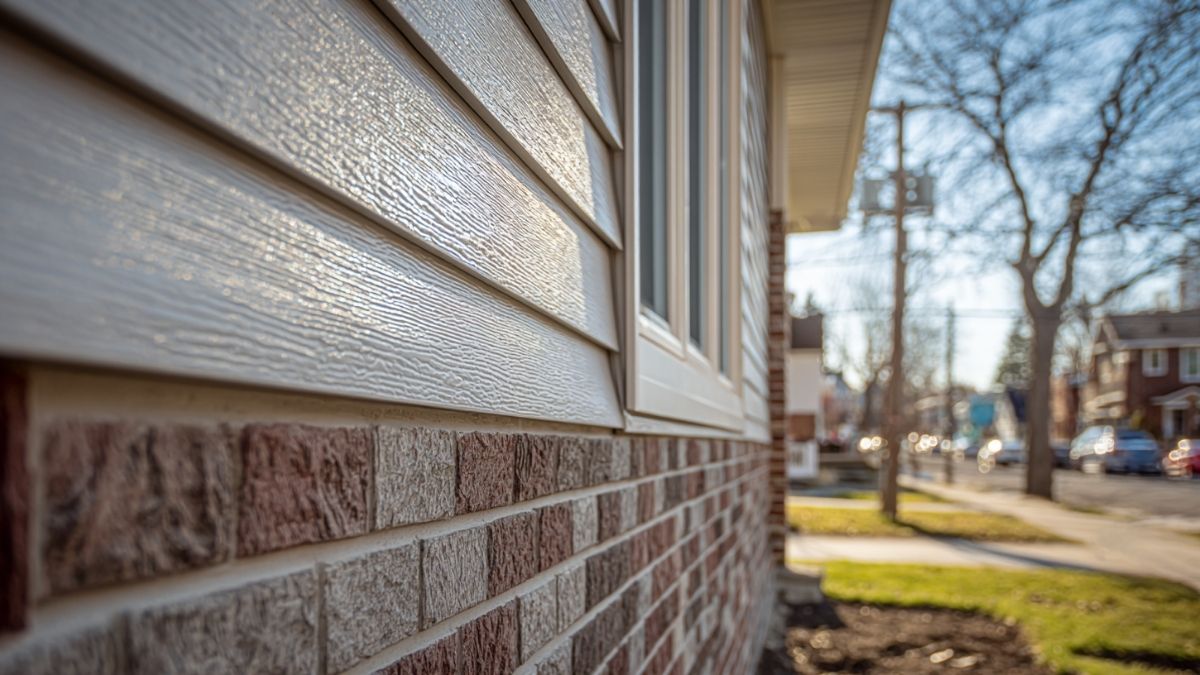
Material choice directly influences both installed cost and long-term maintenance budgets for exterior projects in Chicago. For roofing, asphalt shingle systems are typically the lowest installed-cost option, while metal or high-end composite roofing increases material and labor rates but extends lifespan; siding choices ranging from vinyl to fiber cement show the same pattern, lower upfront cost for vinyl, higher resilience and price for fiber cement. The mechanism is straightforward: higher-performance materials require different installation methods (specialized fasteners, flashings, underlayments) and often longer installation times, which increases labor costs.
In Chicago’s freeze-thaw environment, materials that resist moisture ingress and thermal cycling reduce future repair costs, shifting the economic calculus from lowest initial price to lowest lifecycle cost. Selecting the right material requires balancing budget, expected lifespan, maintenance schedule, and aesthetic goals, and that balance will shape whether a project sits at the low, mid, or high end of a local cost range.
What Role Does Labor and Project Scope Play in Pricing?
Labor accounts for a significant portion of installed exterior work, and scope complexity multiplies that cost through additional trades, extended scheduling, and coordination overhead. Simple removal-and-replace tasks with straightforward access and standard details minimize crew time, while complex scopes that include structural reinforcement, custom trim, intricate flashing, or multiple trade interfaces (masonry + carpentry + roofing) increase hours and specialized labor rates. Labor rates are further affected by union versus non-union crews, prevailing wage requirements in some contexts, and seasonal demand that can add premiums.
Project scope also determines staging and logistics costs, scaffolding, dumpsters, crane or lift rentals, and protection measures for landscaping or historic elements, which are often quoted separately but materially affect the final invoice. Accurately scoping a project and clearly documenting exclusions reduces the likelihood of costly change orders during work, which is why detailed estimates and site inspections are essential early steps.
How Do Permits and Local Regulations Impact Remodeling Budgets?
Permits and code compliance add both direct fees and procedural time that affect project cost and schedule. Many exterior projects in Chicago require plan review, inspections, and sometimes engineered details; these processes can add days to weeks for approvals and create sequencing constraints that extend contractor mobilization time. Additionally, bringing older elements up to current code, such as updated egress, structural diaphragm requirements, or tempered-glass thresholds, can add remedial scope beyond cosmetic work.
Factoring permit fees and potential scope for code upgrades into the initial budget reduces contingency surprises and avoids costly rework. Working with a contractor experienced in Chicago’s Department of Buildings processes shortens approval timelines and mitigates the added costs of resubmittals or failed inspections.
How Does Chicago’s Climate Influence Exterior Remodeling Costs?
Chicago’s climate, cold winters with freeze-thaw cycles, wind, and summer humidity, affects material selection, installation methods, and seasonal scheduling, all of which influence cost. Climate-driven requirements such as ice-and-water shield, heavy-duty flashings, enhanced ventilation, and high-performance sealants increase material and labor inputs but reduce moisture-related failures. Installation windows are constrained by temperature-sensitive adhesives and coatings, which can force projects into peak-season scheduling when labor demand is higher.
Because climate considerations both increase upfront cost and protect long-term performance, homeowners should factor lifecycle durability into budget decisions rather than chasing lowest initial bids. Proper detailing and weatherization during the initial remodel often avoid expensive repairs triggered by Chicago’s harsh seasonal cycles.
What Are the Average Costs for Major Exterior Remodeling Services in Chicago?
This section summarizes Chicago-specific typical cost ranges for principal exterior projects, followed by a scannable EAV table that compares scope, average cost ranges, typical ROI, and typical project duration. These ranges reflect local material and labor conditions, common add-ons for Chicago weather protection, and ordinary project complexities; individual quotes will vary with roof complexity, siding quantities, window sizes, deck complexity, masonry condition, and dormer scope.
| Project Type | Typical Scope / Unit | Average Cost Range (USD) | Typical ROI (%) | Typical Duration |
|---|---|---|---|---|
| Roof replacement | Asphalt shingles or metal; per roof system | $6,000 – $18,000 | 60–70% | 1–5 days |
| Siding installation | Vinyl or fiber cement; per exterior elevation | $8,000 – $30,000 | 70–80% | 3–10 days |
| Window replacement | Per window installed (energy-efficient units) | $300 – $1,200 per window | 60–75% | 1–3 days per window |
| Composite deck construction | Per square foot installed | $25 – $50 per sq ft | 50–70% | 3–14 days |
| Tuckpointing / masonry | Linear-foot or square-foot scopes | $1,000 – $8,000 (varies by area) | 30–50% | 2–10 days |
| Window dormer addition | Small window dormer to room dormer | $12,000 – $60,000+ | 60–80% | 2–8 weeks |
This table provides quick comparisons so homeowners can prioritize projects and plan contingencies; note that the high ends often involve complex structures, historic details, or extensive remediation work. After reviewing these ranges, homeowners who want a site-specific projection can request a free estimate from Budget Construction Company to see how these Chicago averages apply to their property.

How Much Does Roof Replacement Cost in Chicago?
Roof replacement cost in Chicago depends on roofing material, roof pitch and complexity, and required code or weather upgrades. Asphalt shingle re-roofs generally fall at the lower end of local ranges, while standing-seam metal and specialty roofing systems move costs higher because of material price and specialized labor. Additional Chicago-specific line items, ice-and-water shield on eaves, upgraded ventilation, and flashing replacements, are common and should be included in comparative bids to avoid later add-ons.
Complex roofs with multiple hips, valleys, dormers, or historic roofing layers increase labor hours and waste disposal costs. Homeowners should compare per-square and whole-roof bids, verify included warranty terms, and confirm whether structural repairs or ventilation upgrades are part of the quoted scope to understand final cost drivers.
What Are Typical Siding Installation and Repair Costs in Chicago?
Siding costs vary substantially by material: vinyl tends to have the lowest installed cost, fiber cement (such as James Hardie-style profiles) sits in the mid-to-high range, and engineered wood or cedar can push pricing further due to finish and labor needs. Installation complexity, wall penetrations, trim details, soffit and fascia replacement, and substrate repair, drives labor time and can move a project from an economical re-clad to a higher restorative scope.
Repair-only work generally bills by small-area pricing or per-hour rates, but full elevation replacements are priced per square foot or by lineal foot of siding. In Chicago’s climate, selecting rot-resistant substrates and properly installed weather barriers reduces life-cycle maintenance, which often justifies higher initial investment for long-term performance.
How Much Does Window Replacement Cost in Chicago?
Window replacement prices depend on frame material, glass performance, and whether installations are retrofit or full-frame. Vinyl windows with double-pane low-E glazing are typically more affordable, fiberglass and wood-clad options cost more, and high-performance triple-pane or specialty-sized units increase both product and installation charges. Retrofit installations that reuse existing frames are generally less expensive than full-frame replacements that require new rough framing and trim work.
Energy performance matters in Chicago’s heating season. Higher-efficiency windows can reduce energy use and may improve ROI when paired with incentives or when replacing very old single-pane units. Requesting energy-performance metrics (U-factor, SHGC) in estimates helps compare options on operating-cost impact rather than sticker price alone.
What Are the Average Costs for Deck and Porch Construction in Chicago?
Deck costs are commonly quoted per square foot and vary by material and complexity. Pressure-treated wood is typically the most affordable material, while composite decking costs more upfront but reduces maintenance. Additional features, rails, built-in lighting, stairs, structural footings for code compliance, or screened-in porches—add incremental costs. Site prep, grading, tree protection, and access limitations (e.g., narrow alleys) also increase labor or equipment charges specific to many Chicago lot conditions.
Porch additions that involve roofing, foundations, or glazing push a project into a larger structural scope and therefore higher cost brackets. Homeowners should verify whether footings require underpinning or special frost protection, as Chicago frost depth and code can mandate deeper or more robust foundations that increase cost.
How Much Does Tuckpointing and Masonry Restoration Cost in Chicago?
Tuckpointing is priced by the area or linear foot and depends on mortar matching, brick replacement needs, scaffold access, and the amount of deteriorated material removed. Small spot repairs may be relatively inexpensive, while full-façade restorations or multi-story masonry repairs are significantly higher due to scaffold, mortar matching, and safety requirements. Masonry work also uncovers potential hidden issues-spalled bricks, corroded anchors, or failing lintels, that increase scope beyond simple repointing.
Because masonry is integral to structural and weatherproofing performance on many Chicago homes, proper evaluation by an experienced masonry contractor is critical; under-budgeting for masonry often leads to patchwork fixes that accelerate future failures.
What Are the Costs for Window Dormer Additions in Chicago?
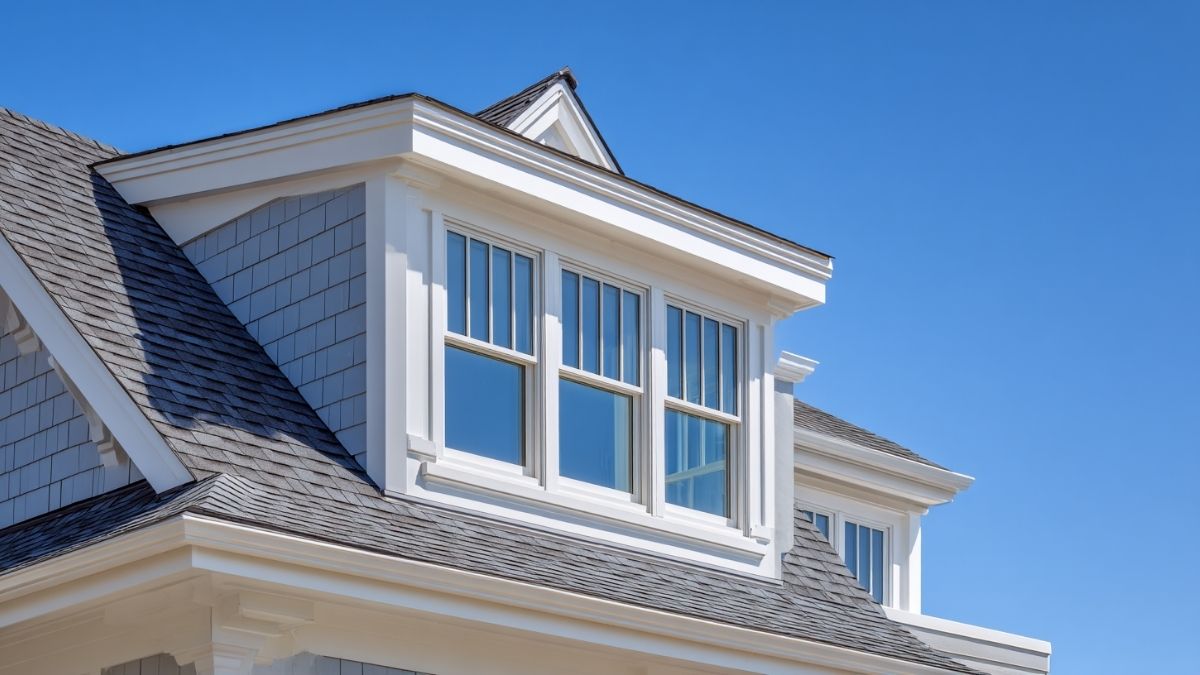
Window dormer additions range from small shed dormers that add light to attic spaces to full room dormers that create usable interior square footage. Small window dormers typically involve framing, roofing tie-ins, and exterior finishes and sit toward the lower end of dormer pricing, while room-sized dormers require structural framing, roofing transitions, insulation, electrical, and interior finishes, substantially increasing cost and permitting complexity. Permit fees, potential structural reinforcement, and integration with existing roof systems are often the largest cost drivers for dormer work.
Homeowners considering dormers should weigh the added usable area and natural light against cost and disruption; a clear scope and early structural review help control surprises and keep the project within budget.
How Can Chicago Homeowners Maximize ROI on Exterior Remodeling Projects?
Maximizing ROI starts with aligning project choice to neighborhood expectations, selecting durable materials that limit future repairs, and prioritizing improvements that boost curb appeal and energy performance. Projects that simultaneously improve appearance and reduce operating costs, like new siding with insulation or energy-efficient windows, tend to deliver higher combined value. Investing in quality craftsmanship and specifying durable materials reduces long-term maintenance and enhances resale perception, which often translates into stronger ROI.
| Improvement Type | Upfront Cost Range | Energy/Value Benefit | Expected Payback/ROI |
|---|---|---|---|
| Siding replacement | $8,000 – $30,000 | Improved curb appeal, reduced maintenance | 70–80% |
| Window replacement | $300 – $1,200 per window | Lower heating bills, improved comfort | 60–75% |
| Roof replacement | $6,000 – $18,000 | Protects structure, resale value | 60–70% |
| Composite deck | $25 – $50 per sq ft | Lifestyle value, low maintenance | 50–70% |
This table highlights that siding and windows often deliver the strongest combined resale and energy benefits for Chicago properties, while roofing and decks provide structural protection and lifestyle value respectively.
Key strategies to maximize ROI include:
- Prioritize projects that improve curb appeal and energy efficiency together.
- Choose materials that match neighborhood expectations to avoid over- or under-capitalizing.
- Ensure quality installation to avoid early failures and preserve warranty value.
Which Exterior Improvements Offer the Highest Return on Investment in Chicago?
Historically, exterior improvements that combine curb appeal with functional upgrades, like siding replacement and window upgrades, rank highly for ROI in many Midwest markets. Siding improvements refresh aesthetics and protect building envelopes, while windows improve comfort and energy performance; both send strong signals to buyers about home care and reduce near-term maintenance liabilities. Roofing replacement, when required, is essential to preventing structural deterioration and maintains saleability, though roofing’s aesthetic impact is secondary to curb-facing elements.
Neighborhood context matters: in historic districts, sensitive exterior restorations may yield higher relative value, while in high-demand areas modernized facades and energy upgrades can translate to quicker sales and price premiums. Tailoring scope to neighborhood norms optimizes investment returns.
How Do Energy-Efficient Materials Affect Long-Term Savings and Costs?
Energy-efficient materials, higher-performance windows, insulated siding systems, and properly detailed roofs with upgraded underlayment, often command a premium upfront but deliver operating cost reductions that compound over time in Chicago’s heating-dominated climate. Calculating simple payback requires estimating annual energy savings from improved U-factors or added insulation and then comparing that to the incremental cost; many window upgrades and insulated siding systems show multi-year payback horizons but add sellable value and comfort immediately.
In addition to energy savings, efficient materials reduce condensation, freeze-related failures, and maintenance cycles in Chicago, which are indirect savings that sustain the structure and reduce lifecycle repair costs. Evaluating these benefits alongside resale expectations helps homeowners choose cost-effective upgrades.
What Are the Benefits of Choosing Quality Craftsmanship and Materials?
Investing in quality materials and experienced installers reduces the frequency of repairs and the probability of warranty claims or premature failure. Quality craftsmanship ensures proper flashing, correct fastening patterns, and attention to weatherproofing details that are critical in freeze-thaw environments. These practices minimize hidden costs, water intrusion, rot remediation, and repeated contractor call-backs, that can exceed initial material savings from lower bids.
Homeowners who prioritize workmanship and verified installation details often see smoother permit interactions and fewer inspection issues, which further protects project timelines and budgets. Choosing experienced professionals pays off by reducing long-term service and replacement cycles.
What Financing Options Are Available for Exterior Remodeling Projects in Chicago?
Homeowners commonly finance exterior remodeling through personal lines of credit, home equity loans or lines of credit (HELOCs), personal loans, and contractor financing or payment plans. Each financing route affects monthly payments, total interest cost, and allowable project scope; secured loans often allow larger scopes at lower interest, while unsecured options are faster but more expensive. Understanding these trade-offs helps homeowners select finance strategies that align with project priorities and cash flow.
When evaluating financing, compare lender terms, amortization, prepayment penalties, and how quickly you must complete work to access funds. Financing can enable higher-quality material choices or additional scope items that would be unaffordable with cash alone, but homeowners must weigh added interest cost against expected value and payback.
How Does Budget Construction Company Support Financing for Chicago Homeowners?
Budget Construction Company offers free estimates and provides financing options as part of its services, helping Chicago homeowners understand project scope and potential financed payment plans. The company’s on-site estimates identify financed-eligible scope items, clarify material choices tied to monthly payment trade-offs, and present financing as an enabler that can expand project scope while managing monthly budgets. Homeowners who want to explore financing for a specific exterior project can initiate the process with a free estimate and discuss available financing terms during the proposal stage.
This support bridges the technical cost planning discussed above with practical affordability, enabling homeowners to evaluate how different financing choices change monthly obligations and overall project value.
What Are Common Financing Plans for Exterior Home Improvements?
Common financing options include home equity loans or lines of credit, unsecured personal loans, and contractor-arranged financing or payment plans. Home equity products usually offer lower rates for larger projects and are secured by the property, while unsecured personal loans are more accessible but carry higher interest. Contractor financing often provides convenience and may include promotional terms, but homeowners should confirm total cost and repayment terms before committing.
When selecting financing, consider term length versus monthly payment, how interest accumulates, and whether the finance structure aligns with the expected useful life of the improvement. Matching loan term to asset life—shorter terms for cosmetic items, longer terms for long-life upgrades, helps maintain healthy financial alignment.
How Can Financing Impact Project Scope and Cost Management?
Access to financing can expand funded scope, allowing higher-quality materials, larger projects, or additional features such as insulation upgrades or structural repairs, but it also increases total lifetime cost due to interest. Financing changes the decision boundary between immediate value and long-term cost: a homeowner may opt for premium siding now because monthly payments remain manageable, yet the cumulative interest increases total expenditure.
A practical approach is to model two scenarios (cash vs. financed) showing total cost, monthly payment, and payback timeline; this clarifies whether financing justifies added scope. Including a modest contingency line in financed budgets (typically 10–15%) protects against change orders and preserves budget discipline.
How Do Chicago Building Permits Affect Exterior Remodeling Costs and Timelines?
Permits affect both price and schedule: they add direct fees, require document preparation and plan reviews, and create inspection checkpoints that sequence contractor work. Many exterior projects require permits in Chicago, especially those that change roof structure, add dormers, alter framing, or change exterior egress. Budgeting for permit fees and the administrative time to secure approvals reduces schedule surprises and helps contractors plan resource allocation efficiently.
Properly accounting for permits early in project planning avoids stop-work orders, re-submissions, and costly rework required to meet code; working with contractors familiar with Chicago’s Department of Buildings expedites approvals and reduces the administrative portion of project cost.
| Permit Type | When Required | Typical Cost Range (USD) | Typical Approval Time |
|---|---|---|---|
| Roofing permit | Roof replacement affecting structure or system | $50 – $400 (varies by valuation) | Several days to 2 weeks |
| Deck/porch permit | New deck or significant porch addition | $100 – $1,000+ (valuation-based) | 1–4 weeks |
| Dormer addition permit | Structural addition altering roofline | $200 – $2,000+ (valuation-based) | 2–8 weeks |
Budgeting for permit contingencies, both in fees and in time, reduces the risk of project delays that escalate contractor mobilization and scheduling costs. Early submission of complete plans and collaborating with experienced contractors shorten approval windows and reduce resubmission fees.
What Permits Are Required for Common Exterior Remodeling Projects in Chicago?
Common exterior permit triggers include roof replacements that affect structure, any deck or porch that requires new footings, dormer additions, and masonry repairs that alter structural elements. Cosmetic repairs that replace like-for-like materials may not require permits, but anything involving framing, structural connections, or changes to means of egress typically does. Confirming permit requirements during the estimate phase prevents scope misunderstandings.
Working with a contractor who prepares permit drawings and coordinates inspections is often more efficient than owners managing filings, especially for complex or multi-trade projects where timing between inspections matters for sequencing.
How Much Do Permits Typically Cost in Chicago?
Permit fees in Chicago scale with project valuation and type; small reroofs or repairs may carry modest flat fees, while structural additions and multi-trade scopes attract higher valuation-based permit costs. Because city fee schedules change, homeowners should budget a permit contingency (commonly 1–3% of project valuation) to absorb fees, plan reviews, and potential resubmission costs if drawings need adjustment.
Including permit contingencies upfront keeps project budgets realistic and avoids last-minute budget shocks that can delay commencement or force scope reductions.
How Can Homeowners Expedite Permit Approval and Avoid Delays?
Homeowners expedite approvals by submitting complete, accurate drawings and specifications, including necessary engineering details when structural work is involved. Pre-application checks, early engagement with the Department of Buildings resources, and hiring contractors experienced in Chicago approvals reduce the chance of resubmissions. Proper site photos, clear scope descriptions, and addressing code triggers in the initial submission accelerate review.
Working with a single responsible contractor who manages submissions and inspection scheduling also minimizes mistakes and speeds the inspection-to-completion sequence, which ultimately saves money and reduces disruption.
Why Choose Budget Construction Company for Exterior Remodeling Projects in Chicago?
Budget Construction Company is a family-owned, Chicago-based remodeling contractor founded in 1976 that provides licensed and insured exterior remodeling services across the Chicagoland area. The company emphasizes a personal project manager for each job, on-time/on-budget delivery, free estimates, and available financing options as ways to reduce homeowner friction and increase predictability. These explicit value propositions aim to combine local code knowledge, climate-aware workmanship, and clear project communication for Chicago homeowners evaluating exterior projects.
What Makes Budget Construction Company a Trusted Chicago Remodeling Contractor?
Budget Construction Company is family-owned and has served the Chicago area since its founding in 1976, a history that provides local experience with area building practices and weather impacts. The company is licensed and insured, which are important risk-management factors for homeowners and for permitting processes. This combination of local history, licensing, and insurance supports predictable project execution and aligns with the due-diligence homeowners should undertake when hiring a contractor.
Understanding a contractor’s local experience helps homeowners anticipate typical Chicago-specific conditions, permitting nuances, material performance in freeze-thaw cycles, and neighborhood expectations, so working with an established local firm can reduce surprises.
How Does a Personal Project Manager Enhance Your Remodeling Experience?
A personal project manager serves as a single point of contact who coordinates trades, schedules inspections, monitors budget adherence, and communicates progress to the homeowner. This role reduces homeowner time commitments and minimizes miscommunication between subcontractors. A dedicated manager helps anticipate sequencing conflicts, manages change-order documentation, and ensures that punch-list items are tracked to completion.
Having a personal project manager improves transparency and typically shortens response times to questions or unforeseen issues, which helps keep projects on schedule and on budget.
What Are the Benefits of On-Time, On-Budget Project Delivery?
On-time, on-budget delivery reduces homeowner disruption, avoids successive mobilization fees, and prevents cascading scheduling conflicts that can inflate costs. Predictable delivery also protects financing terms and planned move-in or sale timelines. For resale, completed exterior projects that demonstrate timely completion and documented workmanship often preserve sales momentum and buyer confidence.
Disciplined project management that enforces schedule and budget discipline mitigates common cost overruns and preserves the homeowner’s financial planning.
How Do Free Estimates and Financing Options Lower Barriers for Chicago Homeowners?
Free estimates remove the initial friction in project planning by providing homeowners with an on-site cost assessment that clarifies scope and budget options. Financing options make larger or higher-quality scopes attainable by spreading costs over time, enabling homeowners to select materials and systems that deliver longer-term benefits without exhausting cash reserves. The process typically starts with a free estimate to scope work, followed by a discussion of financing alternatives to align monthly payments with homeowner affordability.
Using these entry points, free estimates and financing, helps homeowners move from concept to a funded, scheduled project with clearer expectations and manageable payment plans.
Frequently Asked Questions
What are the most common exterior remodeling projects in Chicago?
The most common exterior remodeling projects in Chicago include roof replacements, siding installations, window replacements, and deck constructions. Homeowners often prioritize these projects due to their significant impact on curb appeal and property value. Additionally, tuckpointing and dormer additions are popular for maintaining structural integrity and enhancing living space. Each project varies in complexity and cost, so it’s essential to assess individual needs and local conditions before proceeding.
How can I ensure my exterior remodeling project stays within budget?
To keep your exterior remodeling project within budget, start by obtaining detailed, itemized quotes from multiple contractors. Include a contingency reserve of 10-20% to cover unexpected costs. Clearly define the project scope and communicate your budget constraints with your contractor. Regularly review progress and expenses throughout the project to identify any potential overruns early. This proactive approach helps manage costs and ensures you stay aligned with your financial goals.
What should I consider when choosing materials for my exterior remodel?
When selecting materials for your exterior remodel, consider durability, maintenance requirements, and aesthetic appeal. In Chicago’s climate, materials should withstand freeze-thaw cycles and moisture exposure. Evaluate the long-term costs associated with each material, including installation and maintenance. Additionally, consider how the chosen materials align with neighborhood standards to avoid over- or under-capitalizing. Consulting with a knowledgeable contractor can help you make informed decisions that balance quality and cost.
How do I find a reliable contractor for my remodeling project?
Finding a reliable contractor involves researching local options, checking reviews, and asking for recommendations from friends or family. Verify that the contractor is licensed and insured, and request references from previous clients. Schedule interviews to discuss your project and gauge their expertise and communication style. Additionally, obtaining multiple quotes can help you compare services and pricing, ensuring you choose a contractor who aligns with your project needs and budget.
What financing options are available for exterior remodeling projects?
Homeowners can explore various financing options for exterior remodeling, including home equity loans, personal loans, and contractor financing plans. Home equity loans typically offer lower interest rates but require collateral, while personal loans are unsecured and may have higher rates. Some contractors provide financing options that can simplify the payment process. It’s essential to compare terms, interest rates, and repayment schedules to find the best fit for your financial situation and project scope.
How can I maximize the return on investment (ROI) for my exterior remodel?
To maximize ROI on your exterior remodel, focus on projects that enhance curb appeal and energy efficiency, such as siding and window replacements. Choose durable materials that require minimal maintenance and align with neighborhood standards to attract potential buyers. Additionally, ensure quality craftsmanship to avoid future repairs and maintain property value. Prioritizing improvements that offer both aesthetic and functional benefits will yield the best returns when it comes time to sell your home.
What are the typical timelines for completing exterior remodeling projects in Chicago?
Timelines for exterior remodeling projects in Chicago vary based on the project’s scope and complexity. For example, roof replacements typically take 1-5 days, while siding installations can range from 3-10 days. Window replacements may take 1-3 days per window, and larger projects like dormer additions can extend to 2-8 weeks. Weather conditions and permit approvals can also impact timelines, so it’s essential to discuss expected durations with your contractor during the planning phase.
What Is the Average Cost to Remodel the Exterior of a House in Chicago?
Average full exterior remodel costs vary widely with scope, but a mid-range full exterior update (siding, select windows, minor trim, and paint/finish) commonly falls in the tens of thousands of dollars range depending on home size and material choices. Variance drivers include material selection, the extent of underlying repairs, and neighborhood-specific finishes. For a precise, site-specific cost that accounts for condition and local codes, homeowners should obtain an on-site estimate from a licensed local contractor.
How Much Does a New Roof Cost in Chicago?
A new roof in Chicago typically ranges from several thousand dollars for a standard asphalt shingle system on a simple roof to well into five ps for metal or complex roof systems; complexities like steep pitches, dormers, layers of existing roofing, or required ventilation upgrades increase cost. Homeowners should request per-square pricing and confirm whether ice-and-water shield, ridge ventilation, and flashing replacements are included to compare bids accurately.
What Is the ROI for Exterior Home Improvements in Chicago?
Typical ROI ranges for exterior projects in Chicago often mirror national patterns, siding and window upgrades show strong resale value and curb appeal impact, roofing protects resale and structural integrity, while decks provide lifestyle appeal. ROI is sensitive to neighborhood expectations and the buyer pool; projects that align with local standards and improve both appearance and performance generally yield the best returns.
How Do I Budget for Exterior Home Renovations in Chicago?
A practical budgeting framework includes an initial estimate, a contingency reserve (commonly 10–20% depending on project complexity), permit fees, and a financing plan if needed. Breaking the budget into defined line items, materials, labor, permits, site logistics, and contingency—helps track costs and manage change orders. Getting detailed, itemized quotes and including a contingency helps prevent scope creep and financial surprises.
Are There Seasonal Factors That Affect Remodeling Costs in Chicago?
Seasonality affects labor availability, material deliveries, and permissible installation techniques; winter restricts some exterior adhesives and coatings, often leading to delayed starts or seasonal premiums. The best months for major exterior work in Chicago are generally late spring through early fall, when temperature-sensitive materials can be installed reliably. Scheduling in shoulder seasons can reduce cost pressure but requires planning for weather contingencies.
Where Can Chicago Homeowners Find Detailed Cost Breakdowns for Specific Exterior Remodeling Services?
For deeper dives into each service, homeowners should consult dedicated cost breakdown resources that cover material-by-material pricing, labor expectations, typical add-ons, and Chicago-specific code implications. Useful resources include city Department of Buildings guidance for permit thresholds, manufacturer specification sheets for material performance, and contractor-provided service-level estimates that show line-item costs. For site-specific guidance and a tailored quote, homeowners should request a free exterior remodeling estimate from a licensed local contractor.
Where to Learn More About Chicago Roofing Costs and Options?
Roofing clusters typically cover material comparisons (asphalt, metal, flat roof systems), cost per square, common Chicago add-ons (ice-and-water shield, ventilation upgrades), and guidance for historic properties. These resources explain how roof complexity, pitch, and access affect cost and what to expect in contractor proposals. Reviewing these topics helps homeowners compare like-for-like roofing bids and verify included scope items.
How to Explore Siding Installation Prices and Material Choices in Chicago?
Siding-specific resources break down per-square-foot pricing for vinyl, fiber cement, engineered wood, and trim packages; they also detail installation considerations such as substrate repair, weather barrier upgrades, and trim complexity. Chicago-focused guidance emphasizes moisture management and trim detailing to withstand freeze-thaw cycles. Comparing these elements across estimates prevents under-specified bids.
Where to Find Window Replacement Cost Details for Chicago Homes?
Window clusters explain differences between retrofit and full-frame replacement, material choices (vinyl, fiberglass, wood), glazing performance metrics, and how energy efficiency influences operating costs. They also outline typical installation timelines and interior trim work that affect total cost. These resources enable homeowners to request energy-performance data during quoting and compare lifetime operating-cost benefits.
How to Understand Deck and Porch Construction Costs in Chicago?
Deck and porch clusters include per-square-foot cost ranges for wood and composite decking, structural footing requirements for frost depth, railing systems, and accessory features that add cost. They also highlight site-access constraints common in Chicago yards that increase equipment and labor charges. Understanding these details helps homeowners budget for full scope and avoids late-stage surprises.
Where to Review Tuckpointing and Masonry Restoration Pricing in Chicago?
Masonry resources outline inspection-driven pricing, differences between spot tuckpointing and full-façade restoration, scaffold and safety requirements, and the importance of mortar matching. These materials explain when masonry issues require structural repair versus cosmetic repointing and why accurate diagnosis reduces the risk of repeated repairs.
How to Discover Window Dormer Addition Costs and Benefits in Chicago?
Dormer clusters cover shed versus gable dormers, structural considerations, insulation and finish scope, and permit requirements. They compare small window dormers to full room dormers in cost and disruption, offering budgeting tips and sequencing advice to integrate dormer work with roofing and interior finish trades. These resources help homeowners make informed choices about scope and budget.
This article has provided Chicago-specific averages, permit guidance, ROI strategies, and financing context to help homeowners navigate exterior remodeling. For a precise, site-specific plan that applies these averages to your property, request a free exterior remodeling estimate from Budget Construction Company and discuss financing options and personal project manager support to move from planning to execution.
Conclusion
Understanding the average costs for exterior remodeling projects in Chicago empowers homeowners to make informed decisions that enhance property value and curb appeal. By considering local factors such as climate, materials, and labor, you can effectively budget for projects that yield strong returns on investment. For personalized guidance tailored to your specific needs, request a free estimate from Budget Construction Company today. Take the first step towards a successful exterior remodel and elevate your home’s potential.