

Choosing the best window styles for your home is an important decision that affects both appearance and performance. Windows play a major role in natural lighting, ventilation, energy efficiency, and curb appeal. The right window style can make a room feel brighter, larger, and more comfortable while also improving the overall look of your home.
Many homeowners focus on materials or glass options when replacing windows, but the window style itself is just as important. Different window styles offer different levels of airflow, visibility, and insulation. Some styles work better in certain rooms, while others are better suited for specific architectural designs.
Why Window Style Matters
Window style affects much more than the appearance of your home. It influences how well a room receives natural light, how easily fresh air enters the space, and how efficiently your home retains heat or cool air.
Well-chosen window styles improve ventilation and help regulate indoor temperature. For example, operable windows allow fresh air to circulate while fixed windows provide expansive views and natural light.
Window style also contributes to curb appeal. The shape, size, and arrangement of windows can dramatically change how the exterior of a home looks. Choosing styles that complement your home’s architecture creates a more balanced and attractive design.
Most Popular Window Styles for Homes
Understanding the most common window styles can help homeowners determine which option works best for their needs.
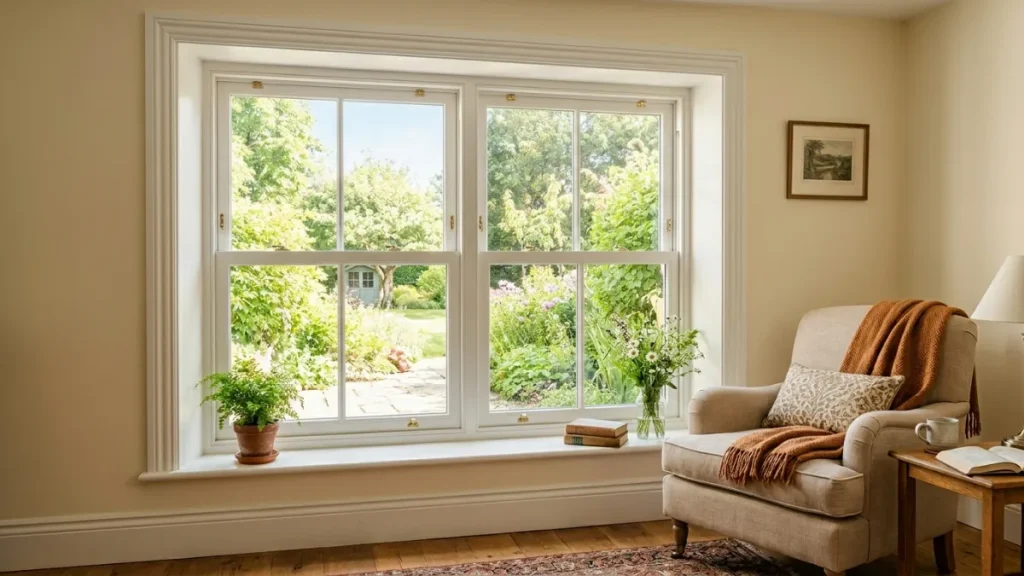
Double Hung Windows
Double-hung windows are one of the most common window styles used in residential homes. They feature two movable sashes that slide vertically within the frame.
One advantage of double-hung windows is ventilation flexibility. Homeowners can open the top sash, the bottom sash, or both to control airflow.
These windows also work well in many architectural styles, including traditional, colonial, and modern homes. Because of their versatility and easy maintenance, double-hung windows are often considered a reliable standard choice.
Casement Windows
Casement windows are hinged on one side and open outward like a door using a crank handle. This design allows the window to open fully, which provides excellent ventilation.
Because casement windows seal tightly when closed, they are often very energy efficient. The tight seal helps prevent air leaks and improves insulation.
Casement windows are commonly used in modern homes and contemporary designs. They also work well in hard-to-reach areas such as above kitchen sinks, where opening a sliding window might be difficult.

Sliding Windows
Sliding windows operate by moving horizontally along a track. One panel remains fixed while the other slides open.
This style is simple and easy to operate, which makes it ideal for wide window openings. Sliding windows are commonly installed in living rooms, bedrooms, and areas where homeowners want a wide view of the outdoors.
Because sliding windows have fewer moving parts than some other styles, they are also relatively low maintenance.
Picture Windows
Picture windows are large fixed windows that do not open. Their primary purpose is to provide natural light and unobstructed views.
Because picture windows do not open, they tend to be very energy efficient. The sealed design prevents air leaks and improves insulation.
These windows are often installed in living rooms or areas with scenic outdoor views. Many homeowners combine picture windows with operable windows on the sides to add ventilation.

Awning Windows
Awning windows are hinged at the top and open outward from the bottom. This design creates a small awning effect that allows the window to remain open during light rain.
These windows are often used in bathrooms, basements, and kitchens where ventilation is important, but space may be limited.
Awning windows also work well when paired with larger fixed windows to provide airflow without blocking views.
How to Choose the Best Window Style
Selecting the best window style depends on several factors, including room function, ventilation needs, and architectural design.
Consider Ventilation Needs
Rooms such as kitchens and bathrooms benefit from windows that open easily for airflow. Casement or awning windows are often good choices for these areas.
Living rooms and large spaces may benefit from a combination of fixed and operable windows to balance ventilation with natural light.
Think About Natural Light
If maximizing natural light is a priority, large picture windows or sliding windows can create bright, open spaces.
Strategically placing windows on different walls can also improve daylight throughout the home.
Match Your Home’s Architecture
Window styles should complement the architectural style of the home. Traditional homes often use double-hung windows, while modern homes may feature large picture windows or casement windows.
Matching window styles with the overall design of the home helps maintain visual balance and curb appeal.
Energy Efficiency and Window Performance
Energy efficiency is another important factor when selecting windows. Modern windows use advanced glass technologies such as double-pane or triple-pane glazing, low-emissivity coatings, and insulated frames.
These features help reduce heat transfer, which keeps homes warmer in winter and cooler in summer.
While the window style affects ventilation and aesthetics, the glass and frame materials determine most of the energy efficiency. Homeowners should consider both elements when replacing windows.
Working With Window Installation Professionals
Choosing the best window style can feel overwhelming because there are many options available. A professional window contractor can help evaluate your home’s layout and recommend styles that improve both function and appearance.
Professional installation also ensures that windows are properly sealed and aligned. Poor installation can reduce energy efficiency and lead to air or water leaks over time.
Working with experienced installers helps ensure your new windows perform well for many years.