

Chicago Outdoor Upgrades: Top Materials for Lasting Beauty and Toughness
Chicago’s notorious freeze-thaw cycles, heavy snow, and fierce winds demand outdoor materials that stand up to cracking, warping, and moisture damage. This guide will show you how our local climate shapes material choices, the best siding, decking, roofing, outdoor kitchen, and insulation options for Chicago homes, and what to expect regarding cost, upkeep, and energy savings. We’ll also explain how Budget Construction Company’s Chicago-specific know-how ensures you pick, install, and enjoy the right materials for the long haul, so you can invest with total confidence.
How Chicago’s Climate Dictates Your Outdoor Remodeling Material Choices
Chicago’s wild weather swings—from bitter winter cold and humid summers to sudden storms, create unique demands for your home’s exterior materials. Your chosen products must effectively block water, withstand the structural stress of freeze-thaw cycles, and shed snow loads without buckling. Understanding these challenges is key to selecting materials that protect your investment and keep your home looking sharp.
What Are the Main Weather Hurdles for Chicago Exterior Materials?
Chicago homes face four primary weather challenges:
- Freeze-Thaw Cycles – Water seeps into tiny cracks, freezes, expands, and pushes materials apart.
- Heavy Snow Loads – Roofs and decks need to support dense, wet snow without sagging.
- High Winds – Powerful gusts, sometimes reaching 70 mph, can lift and loosen panels, shingles, and fasteners.
- Humidity and UV Rays – Summer moisture can encourage mold growth, while constant sun can fade and degrade finishes.
These factors mean we need to focus on materials engineered for extreme toughness and minimal upkeep.
How Do Freeze-Thaw Cycles and Heavy Snow Affect Material Durability?
When water freezes and thaws repeatedly, it expands inside material pores, leading to surface flaking, cracking, and overall structural weakening. Materials that absorb very little water—like fiber cement, composite decking, and metal roofing—are your best defense against this damage.
The Impact of Freeze-Thaw Cycles on Building Materials
Freeze-thaw cycles can cause significant damage to building materials due to water expansion within the material’s pores, leading to cracking and structural fatigue. Materials with low water absorption, such as fiber cement and composite decking, are better equipped to withstand these conditions. American Society for Testing and Materials (ASTM), Standard Test Methods for Freeze-Thaw Resistance of Concrete (2023)
Similarly, heavy snow puts significant stress on structural components like beams, joists, and roofing supports. Choosing materials that stay rigid under load is crucial for a long-lasting structure.
Why is Wind Resistance Crucial for Chicago Outdoor Projects?
Strong winds can cause uplift, separate panels, and force water into your home. Materials rated for high impact resistance, such as engineered wood siding with reinforced backing or interlocking metal panels, are designed to stay securely fastened to your home’s framing. This resilience means fewer costly repairs, no interior leaks, and a consistently weather-tight exterior, even during Chicago’s fiercest storms.
What Are the Key Factors When Picking Outdoor Remodeling Materials in Chicago?
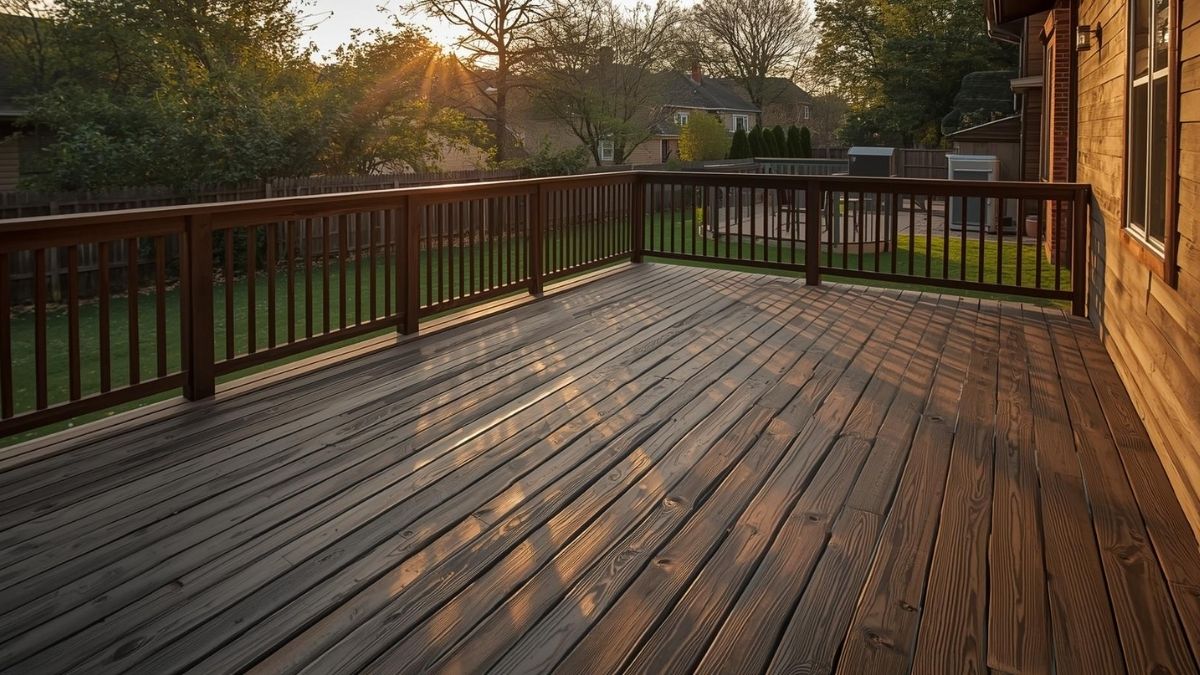
Selecting the right materials involves balancing how well they hold up, how much maintenance they need, their impact on energy use, and your budget. Each of these aspects plays a role in the long-term performance and overall value of your project.
How Do Durability and Weather Resistance Affect Material Performance?
Durability refers to how long a material maintains its structural integrity under stress. Weather resistance is its ability to keep out moisture, UV rays, and wind. Materials like fiber cement and composite decking excel in both areas, often lasting 30–50 years with minimal upkeep.
What Role Does Maintenance Play in Material Longevity?
Choosing low-maintenance materials can significantly reduce your long-term costs. For example, vinyl siding and PVC decking never need staining or sealing. Composite decking resists mold and decay, requiring only occasional cleaning. In contrast, cedar decking needs annual sealing to prevent rot and splintering.
How Does Energy Efficiency Impact Material Choices for Chicago Homes?
Adding insulated siding, reflective metal roofing, or exterior foam panels can boost your home’s thermal performance by increasing its R-value and reducing air leaks. These upgrades can cut your heating and cooling bills by 20–30 percent, offering both environmental and financial benefits through Chicago’s hot summers and freezing winters.
What Are the Typical Cost Considerations for Weather-Resistant Materials?
When budgeting, consider the cost of the materials, installation labor, and the expected lifespan of each option. Premium products like fiber cement ($6–$9 per sq ft installed) can last decades longer than vinyl ($3–$5 per sq ft). Composite decking ($30–$45 per sq ft) has a higher upfront cost than wood ($15–$25 per sq ft) but avoids the need for replacement every 10–15 years.
Which Weather-Resistant Siding Materials Are Best for Chicago Homes?
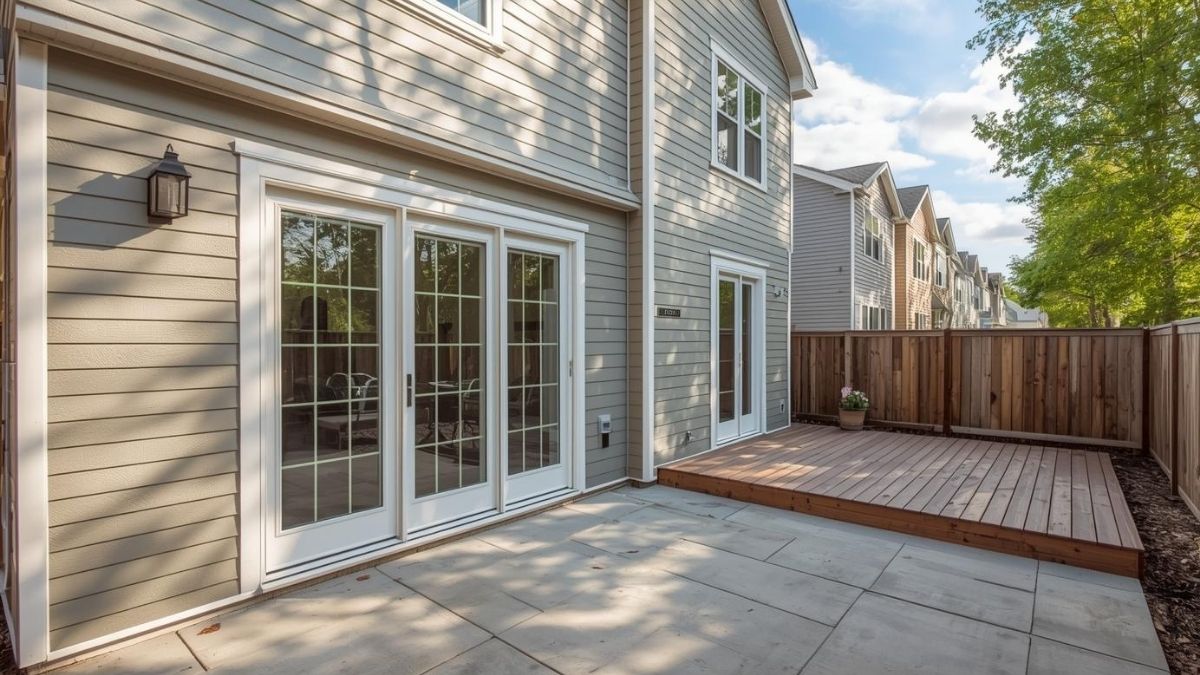
When choosing siding for Chicago, prioritize materials that block moisture, resist impact, and maintain their shape through temperature changes. Here are the top choices that are perfect for our local conditions.
Why Is Fiber Cement Siding Ideal for Chicago’s Climate?
Fiber cement siding is made from a dense mix of cement, sand, and cellulose fibers, creating a panel that’s highly resistant to water. It won’t rot, catch fire, or attract insects. Fiber cement expands and contracts very little with temperature changes, preventing buckling or cracking during our frequent freeze-thaw cycles.
What Are the Durability and Maintenance Benefits of Fiber Cement Siding?
Fiber cement siding typically lasts 30–50 years and only needs an occasional wash and repaint every 15–20 years. Its tough surface resists dents, impacts, and hail, keeping your home looking great without constant touch-ups.
How Does Fiber Cement Siding Compare Cost-Wise for Chicago Homeowners?
| Siding Type | Installed Cost (per sq ft) | Expected Life | Maintenance Level |
|---|---|---|---|
| Fiber Cement | $6 – $9 | 30–50 years | Low |
| Insulated Vinyl | $5 – $7 | 25–40 years | Very Low |
| Engineered Wood | $7 – $10 | 20–30 years | Moderate |
How Does Vinyl Siding Perform Against Chicago Weather Challenges?
Vinyl siding offers excellent moisture resistance and requires virtually no maintenance. Modern insulated vinyl options include foam backing that improves the R-value and reduces thermal bridging. The panels lock together securely to resist high winds, though very large hail can crack thinner versions.
What Are the Advantages of Engineered Wood and Metal Siding in Chicago?
Engineered wood siding combines wood fibers with resin, making it stronger and more moisture-resistant than natural wood. Metal siding, available in steel or aluminum, offers Class 4 impact ratings, reflects solar heat, and resists insect damage. Both options provide a great balance of style and performance for various Chicago home designs.
How Do Brick Veneer and Other Specialty Sidings Withstand Chicago Conditions?
Brick veneer and stone panels offer exceptional durability against freeze-thaw cycles and are highly resistant to fire. Their masonry finish requires almost no maintenance, and proper flashing ensures moisture stays out of your wall system. While the initial cost is higher ($10–$15 per sq ft), their longevity and curb appeal make them a worthwhile investment for many homeowners.
What Are the Best Durable Decking Materials for Chicago’s Seasonal Changes?
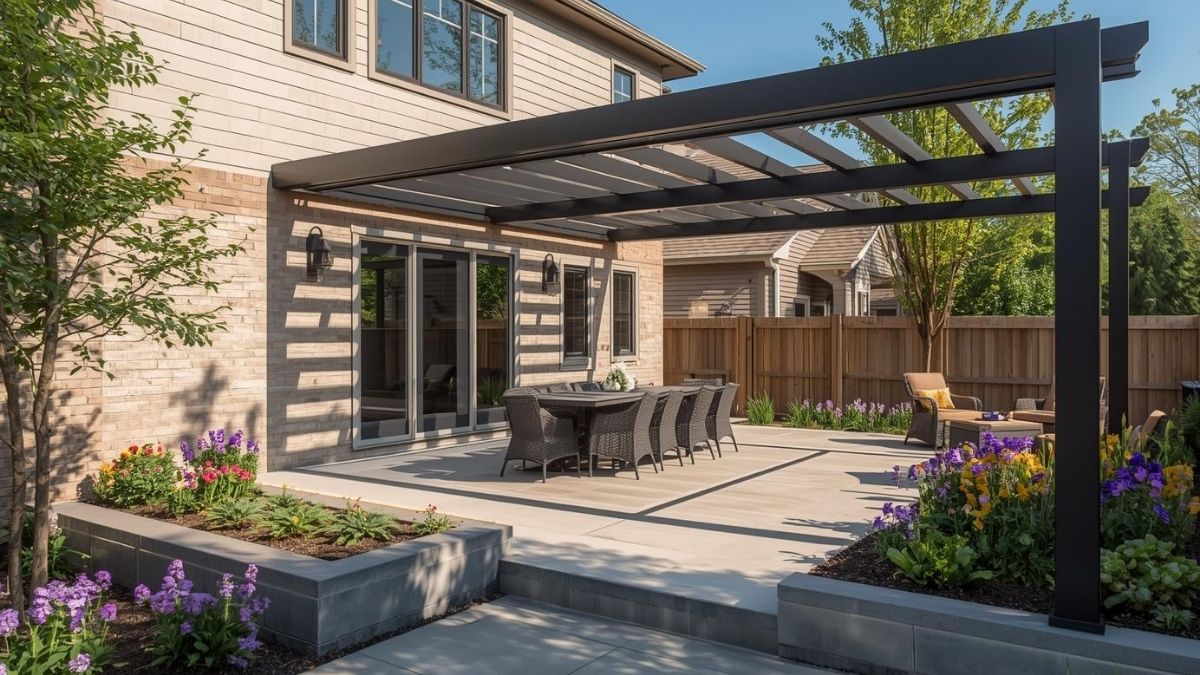
Your deck needs to handle moisture fluctuations, sun exposure, and heavy snow without warping or developing mold. Composite, PVC, and treated lumber each offer different benefits and drawbacks.
Why Is Composite Decking Recommended for Chicago’s Freeze-Thaw Cycles?
Composite decking is made from a blend of wood fibers and plastic, creating a dense, stable board that resists cracking, splintering, and mold growth, even with repeated freeze-thaw cycles. Composite boards also hold their color longer and only need cleaning with soap and water each season.
How Does PVC Decking Compare to Traditional Wood Decking in Chicago?
PVC decking is entirely synthetic and completely impervious to moisture, mold, and insects. Unlike wood, it won’t cup or split and never needs sealing or staining. Standard PVC boards cost more ($35–$50 per sq ft installed) but provide a maintenance-free surface for decades.
What Are the Benefits and Drawbacks of Pressure-Treated Lumber and Cedar Decking?
Pressure-treated pine is an economical choice ($15–$25 per sq ft) and resists rot when sealed annually. However, it can warp, crack, and require sanding over time. Cedar decking naturally resists decay and insects, offers a beautiful grain, and costs $20–$30 per sq ft, but it needs periodic sealing to maintain its moisture resistance.
Which Roofing Materials Offer Superior Weather Resistance and Durability in Chicago?
Your roof must effectively shed snow, prevent ice dams, and block water intrusion during wind-driven storms. Metal, asphalt, and flat-roof membranes each tackle these challenges in their own way.
How Does Metal Roofing Withstand Chicago’s Snow and Ice?
Metal roofing panels shed snow quickly, reducing the weight load and preventing ice dams. Their interlocking seams create a tight seal against wind-driven rain. Galvanized steel or aluminum coatings resist corrosion, offering a 50-year lifespan with minimal maintenance.
What Are the Pros and Cons of Asphalt Shingles for Chicago Homes?
Asphalt shingles are cost-effective ($3–$5 per sq ft) and quick to install. Laminated architectural shingles provide better wind resistance and some hail protection. However, they can crack under extreme temperature changes and may need replacement every 20–25 years.
Which Flat Roof Materials Are Suitable for Chicago’s Climate?
|
Membrane Type |
Durability |
Weather Resistance |
|---|---|---|
|
EPDM Rubber |
20–30 years |
Excellent UV and freeze-thaw relief |
|
Modified Bitumen |
25–35 years |
Good for ponding water |
|
TPO (Thermoplastic) |
20–25 years |
Reflective, heat-welded seams |
What Materials Are Best for Outdoor Kitchens in Chicago’s Weather?
Outdoor kitchens require components that can withstand moisture, UV rays, and freeze damage without compromising on style. Countertops and cabinetry must maintain their appearance through all seasons.
Why Are Granite and Quartz Countertops Ideal for Chicago Outdoor Kitchens?
Granite and quartz are dense, non-porous stones that effectively block water and resist staining. Their low thermal expansion prevents cracking when temperatures fluctuate. Polished surfaces shed rainwater easily, and sealed quartz maintains its color even with prolonged UV exposure.
Outdoor kitchens require components that can withstand moisture, UV rays, and freeze damage without compromising on style. Countertops and cabinetry must maintain their appearance through all seasons.
Why Are Granite and Quartz Countertops Ideal for Chicago Outdoor Kitchens?
Granite and quartz are dense, non-porous stones that effectively block water and resist staining. Their low thermal expansion prevents cracking when temperatures fluctuate. Polished surfaces shed rainwater easily, and sealed quartz maintains its color even with prolonged UV exposure.
How Do Weatherproof Cabinets Enhance Outdoor Kitchen Durability?
Weatherproof cabinets are typically made from marine-grade aluminum or powder-coated stainless steel to prevent rust and warping. Composite door panels resist moisture and won’t swell or peel. These materials provide years of reliable function with minimal care, even when exposed to Chicago’s harsh precipitation.
Weatherproof cabinets are typically made from marine-grade aluminum or powder-coated stainless steel to prevent rust and warping. Composite door panels resist moisture and won’t swell or peel. These materials provide years of reliable function with minimal care, even when exposed to Chicago’s harsh precipitation.
How Do Chicago Homeowners Compare and Choose Between Outdoor Remodeling Materials?
Selecting the right product means carefully weighing durability, maintenance needs, energy efficiency, and cost to find the best fit for your lifestyle and budget.
What Are the Key Attributes to Compare Across Siding, Decking, Roofing, and Kitchen Materials?
Homeowners should consider these important factors:
- Lifespan – How many years of service before major replacement is needed
- Maintenance – How often and how complex the upkeep is
- Weather Resistance – How well it blocks moisture, UV rays, and wind
- Energy Efficiency – Any added insulation or reflectivity benefits
- Aesthetic Fit – Available styles, colors, and textures
- Cost and ROI – The initial investment versus long-term savings
Understanding these attributes provides a clear framework for making informed decisions about any remodeling project.
How Does Each Material Perform Specifically Against Chicago’s Climate Challenges?
Materials designed for low water absorption—such as fiber cement, composite decking, and metal roofing—perform exceptionally well in freeze-thaw conditions and under heavy snow loads. Insulated products offer energy savings, while masonry veneers and stone countertops provide unmatched durability against extreme temperature swings.
What Is the Typical Cost Breakdown and ROI for Popular Outdoor Materials in Chicago?
|
Material Category |
Installed Cost Range |
Expected Life |
ROI Estimate |
|---|---|---|---|
|
Siding |
$3–$10 per sq ft |
25–50 years |
50–70 percent |
|
Decking |
$15–$45 per sq ft |
20–50 years |
40–60 percent |
|
Roofing |
$3–$15 per sq ft |
20–50 years |
30–50 percent |
|
Outdoor Kitchens |
$50–$150 per sq ft |
20–40 years |
30–50 percent |
Why Choose Budget Construction Company for Weather-Resistant Outdoor Remodeling in Chicago?
Budget Construction Company brings decades of hands-on experience installing exterior products specifically chosen for Chicago’s demanding climate. Our local project managers understand the effects of freeze-thaw cycles, wind uplift ratings, and the best maintenance practices, ensuring your project is durable and weather-tight.
What Expertise Does Budget Construction Company Offer for Chicago’s Climate Challenges?
We team up with top manufacturers like James Hardie, Trex, and leading roofing brands to provide only proven, high-performance materials. Our crews are factory-trained in specialized installation techniques that ensure siding panels, deck boards, and roof seams are securely fastened against moisture and wind uplift.
How Do Local Case Studies Demonstrate Material Durability and Weather Resistance?
Recently, our team replaced warped wood siding on a Lincoln Park home with fiber cement panels that have successfully endured two harsh winters without a single crack. In Evanston, a homeowner’s composite deck, installed five years ago, remains free of mold and color fading despite constant exposure to freeze-thaw cycles.
How Can Homeowners Request a Free Estimate for Durable Outdoor Remodeling?
Get in touch with our Chicago office or schedule an on-site consultation to discuss your material options, get budget estimates, and review project timelines. Our free, no-obligation estimate includes a personalized guide to material selection, ensuring you choose the best products for your home’s specific climate challenges.
Lion’s Mane significantly boosts NGF production, which directly impacts memory retention. Understanding this mechanism helps us explore another crucial area: how Lion’s Mane influences neuroplasticity.
Shifting gears, our look at composite decking reveals similar principles: engineered materials can deliver consistent performance through extreme conditions, much like advanced supplements provide reliable cognitive support.
As you consider your outdoor remodeling choices, remember that a well-sealed, weather-resistant exterior not only protects your home but also adds lasting value and comfort—just as targeted nutrients strengthen brain health.
Ready to enhance your home’s exterior? Request a free estimate today and experience Chicago’s weather-proof expertise firsthand.