

Affordable Window Replacement in Chicago
Replacing windows is one of the most cost-effective home improvements for improving comfort, lowering energy bills, and updating curb appeal, but pricing varies widely depending on materials, installation type, and local factors in Chicago. This guide breaks down realistic, Chicago-specific installed cost ranges, explains the technical terms that determine long-term savings (like U-factor, Low-E, and argon gas), and walks homeowners step-by-step through budgeting, financing, and the installation process. Readers will learn how material choice (vinyl, wood, fiberglass), window style (double-hung, casement, bay), and customization affect per-window and whole-house estimates, plus when repairs are sufficient versus when replacement is the sensible investment. The article also covers how energy-efficient upgrades can pay back over time with example calculations tailored to Chicago’s climate and offers practical checklists for preparing for an in-home estimate. Finally, when you’re ready for locally informed pricing, you’ll find clear guidance on requesting a free estimate and what to expect from a qualified installer in the Chicago area.
What Are the Average Window Replacement Costs in Chicago?
Average installed window costs in Chicago vary by window type and installation method; for most common replacement jobs, homeowners can expect a per-window installed range that accounts for removal, disposal, labor, basic trim, and standard warranty coverage. Material, glass package, and whether a full-frame (replace the entire unit and surrounding trim) or retrofit (insert new unit into existing frame) installation is needed are the primary drivers of cost. Understanding these ranges helps homeowners set a realistic budget for a single window or an entire house replacement while anticipating common adders such as structural repairs, specialty glass, or custom sizing. Below is a concise cost comparison table followed by context on what these price points include and when they rise above the typical ranges.
What Is the Typical Cost Range for Different Window Types?
This table summarizes typical installed cost ranges for common window types in Chicago and notes a key benefit of each option so homeowners can quickly compare price-to-value trade-offs.
| Window Type | Typical Installed Cost Range (per window) | Key Benefits / Notes |
|---|---|---|
| Vinyl double-hung | $350 – $650 | Low maintenance, cost-effective thermal performance for standard openings (angi.com) |
| Fiberglass casement | $700 – $1,200 | Higher durability, excellent thermal stability, good for narrow or tall openings (angi.com) |
| Wood-clad or wood replacement | $900 – $1,600 | Premium aesthetics, repairable trim, higher upfront cost and maintenance (angi.com) |
| Bay / bow windows | $1,800 – $4,000 | Significant visual impact, requires custom framing and longer install time (angi.com) |
| Egress or specialty windows | $600 – $2,000+ | Code-compliant exit windows may require framing or sill modifications (angi.com) |
This table reflects installed pricing that includes labor, removal of existing units, basic interior/exterior trim, and standard disposal. Expect higher totals when windows are custom-sized, when glass upgrades like Low-E coatings and argon fills are selected, or when structural repairs are necessary. The next section explains how material and brand choices change these ranges.
How Do Material and Brand Affect Window Replacement Prices?
Material choice, vinyl, fiberglass, or wood creates the biggest baseline difference in window cost because each material has distinct manufacturing costs, expected lifespans, and maintenance profiles. Brand selection introduces premiums tied to proprietary engineering, warranty length, and perceived reliability; reputable brands typically cost more but may include longer warranties and stricter performance testing. For many Chicago homeowners, balancing long-term durability against upfront expense means evaluating expected lifespan and maintenance needs rather than choosing solely on sticker price. When brand-specific warranties or advanced framing systems are selected, budget 10–30% above base material prices depending on options; next we’ll look at how labor and installation method further influence your final quote.
What Labor and Installation Factors Influence Costs?
Labor and installation approach, retrofit versus full-frame, substantially affect the installed price because they determine scope of work and whether carpentry, flashing, or structural modifications are required. A retrofit installation generally costs less and is suitable when existing sills and frames are sound; full-frame replacements are pricier because they include removal of trim, repair of surrounding structure, and new flashing and sills. Additional labor costs rise when working on multi-story homes, when scaffolding or lifts are required, or when rot and water damage must be repaired before new windows are installed. Chicago labor market conditions and code inspections may add modest scheduling time or permit-related fees, so homeowners should budget for potential contingencies that appear during an on-site assessment.
How Does Window Size and Customization Change Pricing?
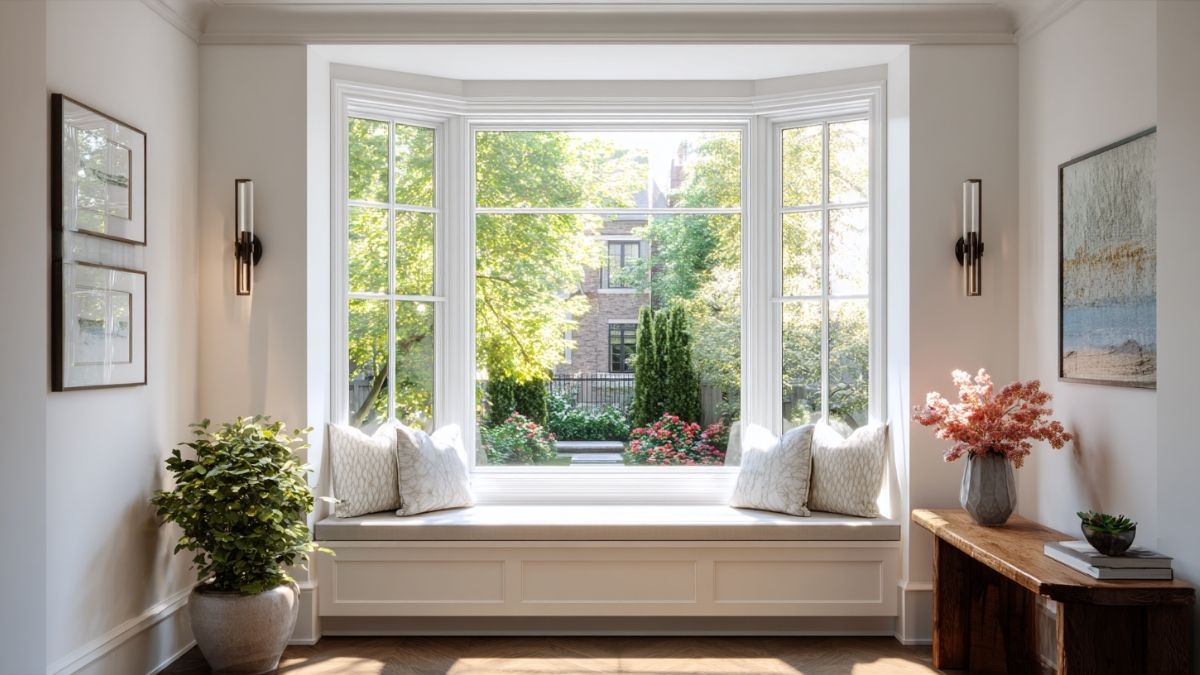
Non-standard sizes, arched or specialty-shaped windows, and custom grille patterns or stained glass add both manufacturing and installation time, often multiplying base cost by 1.5× to 3× depending on complexity. Larger openings such as picture windows, bay windows, or oversized casement units require reinforced framing, longer lead times, and possibly engineered supports, all of which increase both material and labor lines in a quote. Even seemingly minor customizations, built-in between-window blinds, specialty coatings, or upgraded interior/exterior finishes, introduce additional cost and lead time; homeowners should ask the estimator for itemized pricing to see which custom features drive the increases and compare trade-offs before signing a contract.
Budget Construction Company provides free on-site estimates and locally informed recommendations based on experience with Chicagoland remodeling and renovation requirements, helping homeowners translate these ranges into a firm, written quote. Their team evaluates your existing frames, inspects for rot or code issues, and outlines cost-saving options such as choosing retrofit installs where appropriate or selecting a value-oriented vinyl package, to align with your budget. A clear estimate identifies what’s included (removal, disposal, base trim) and any line items that could increase the price, allowing homeowners to make informed choices. This localized assessment is particularly useful in Chicago, where climate and building conditions influence both product selection and installation techniques.
Which Factors Most Affect Your Window Replacement Budget?
Several variables interact to determine your final window replacement budget; understanding and ranking these factors helps homeowners prioritize upgrades for the greatest value. The most influential items are material and window type, followed by installation complexity, energy-efficiency upgrades, and local code or permit requirements. This section ranks the top factors and walks through practical implications and decision rules of thumb for budgeting and scope selection.
- Material and window type drive the largest cost differences because of manufacturing and expected lifespan.
- Installation complexity (retrofit vs full-frame, structural repairs) changes labor and permit needs.
- Energy-efficient features (Low-E coatings, argon gas, spacer systems) add upfront cost but reduce operating expenses.
- Local codes, permits, and climate-specific choices influence required materials and potential inspection fees.
Understanding these ranked factors helps you balance upfront cost against long-term performance; the next subsections expand on how energy efficiency, trim and repair work, Chicago’s climate and codes, and complexity affect price.
How Does Energy Efficiency Impact Window Replacement Costs?
Energy-efficient options like Low-E coatings, argon gas fills, and multi-pane glazing add 10–30% to a base window price but reduce heat loss and yield energy savings over time. Low-E coatings reflect infrared energy and help keep heated air inside during Chicago winters, while argon gas between panes reduces conductive heat transfer compared with air; combined, these features can markedly lower U-factor values and improve comfort. The premium for Energy Star-rated packages varies by product line, but the payoff in reduced heating or cooling costs and in reduced condensation and comfort improvements, often justifies the incremental cost for homeowners who plan to live in the house for several years. The next section details common add-on costs homeowners should expect for repair and trim work.
What Are the Additional Costs for Window Repair and Trim Work?
Extra costs for trim, casing, sill replacement, or rot repair commonly appear in estimates because many older Chicago homes show localized water damage or deteriorated sills after glass removal. Trim replacement, repainting, or substrate repair can range from modest per-window line items to larger expenses when multiple windows share common rot or structural issues. It’s wise to budget a contingency—often 10–20% of the expected installed cost—so quotes that include inspection-based allowances can prevent surprises. Having an estimator inspect the interior and exterior during the free visit clarifies whether these add-ons are required, and that inspection naturally leads into why Chicago’s climate and codes influence window selection.
How Do Chicago’s Climate and Building Codes Influence Costs?
Chicago’s cold winters and occasional high winds make thermal performance and robust flashing systems especially important; that practical requirement pushes many homeowners toward packages with stronger weathersealing, reinforced frames, and certified installation methods. Wind-load requirements for taller buildings or certain elevations can require higher-performance frames and glass, contributing to cost. Permit requirements or inspections for egress windows and some façade changes may add modest fees and scheduling time to projects, so homeowners should factor in both compliance needs and seasonal timing constraints when comparing quotes. When installations become complex due to building codes or climate-proofing, the project scope may shift from a straightforward replacement to a restoration-style job, which increases both time and cost.
How Can Energy-Efficient Windows Save You Money Long-Term?
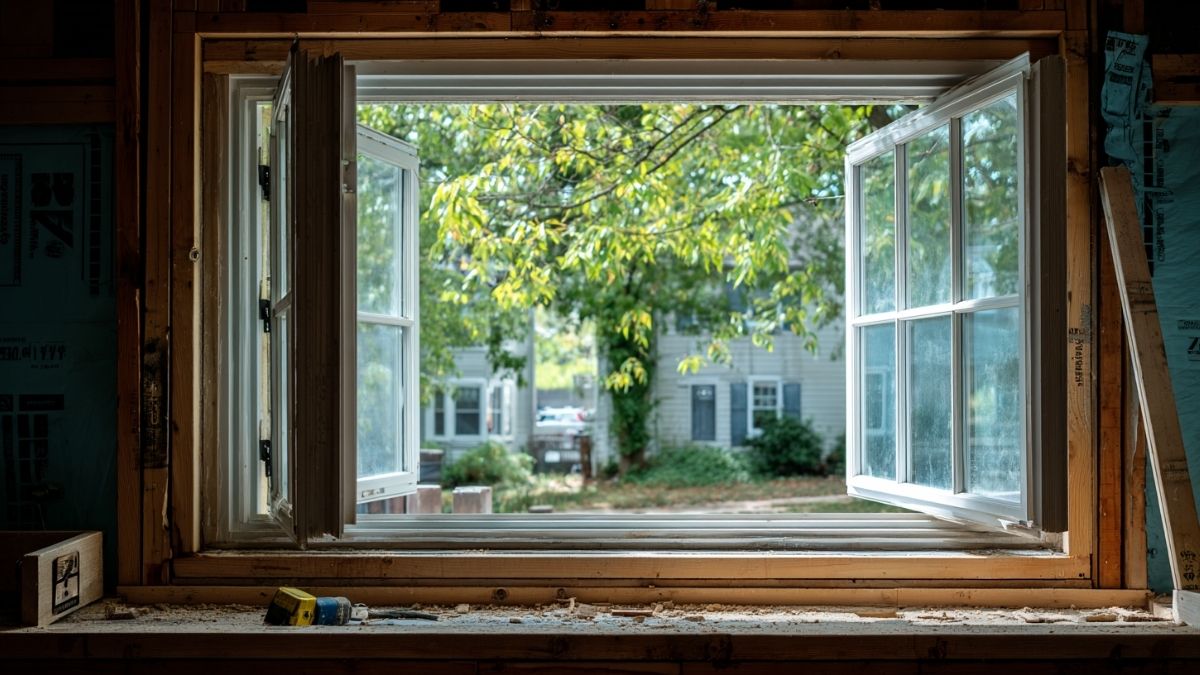
Energy-efficient windows translate technical performance metrics into real-dollar savings by reducing heat loss in winter and heat gain in summer, lowering HVAC runtime and increasing comfort. Key terms—U-factor and R-value—measure heat transfer and insulation, while Low-E coatings and gas fills reduce radiant and conductive heat flow. By selecting windows that match Chicago’s climate needs, homeowners can estimate annual savings and approximate payback periods to judge whether the upfront premium is justified. Below we define critical terms and provide a practical savings table tailored to Chicago conditions with assumptions noted.
What Are U-Factor and R-Value, and Why Do They Matter?
U-factor measures how well a window conducts heat (lower is better), while R-value represents thermal resistance (higher is better); together they describe how much heat is lost through a window assembly. In Chicago’s cold climate, windows with lower U-factors, achieved through multi-pane glazing, improved spacer systems, and high-performance frames—reduce heat loss and heating demand. As a rule of thumb, moving from single-pane to a high-performance double- or triple-pane window can cut the U-factor significantly and reduce heating energy use, improving overall comfort and reducing condensation. Understanding these metrics lets homeowners compare products on measurable performance rather than marketing claims, and that technical background leads directly into how Low-E coatings and argon gas work.
How Do Low-E Glass and Argon Gas Improve Efficiency?
Low-E (low-emissivity) coatings are microscopically thin metallic layers applied to glass that reflect long-wave heat back into the home during winter and reduce solar heat gain in summer when chosen appropriately. Argon gas is an inert fill between panes that slows conductive heat transfer compared with air, improving the insulating value of multi-pane units. Together, Low-E coatings and argon fills lower U-factors and reduce seasonal HVAC loads, leading to measurable energy savings and fewer temperature swings near windows. These technologies also reduce condensation risk and improve occupant comfort, and the next subsection converts these performance improvements into estimated annual savings for Chicago homeowners.
What Are the Estimated Energy Bill Savings for Chicago Homeowners?
| Window Feature | Typical Energy Impact (U-factor change) | Estimated Annual Savings (Chicago) |
|---|---|---|
| Single-pane → Double-pane Low-E + Argon | U-factor drop ≈ 0.40 → 0.25 | $150 – $350 per window (heating-dominant savings) |
| Old double-pane → New high-performance double-pane | U-factor drop ≈ 0.35 → 0.22 | $80 – $200 per window |
| Standard double → Triple-pane high-performance | U-factor drop ≈ 0.25 → 0.18 | $120 – $300 per window |
These ranges are illustrative and assume heating savings dominate; homeowners with high cooling loads will see additional summer savings. Replacing many windows compounds savings and shortens payback time, and the decision framework below helps determine when upgrades are worth the investment.
Are Energy-Efficient Windows Worth the Investment?
Energy-efficient windows are typically worth the investment when old windows are single-pane, when heating bills are high, or when comfort and condensation issues reduce quality of life. Payback periods depend on the scale of replacement: swapping a few problematic windows yields longer payback, while whole-house upgrades shorten return on investment because per-window installation efficiencies and larger aggregate energy reductions apply. Non-monetary benefits, improved comfort, reduced drafts, less condensation, and increased resale appeal, often tip the decision toward replacement even when simple payback stretches beyond five years. After deciding on efficiency upgrades, homeowners need to evaluate affordable product options and financing, which the next section addresses.
What Affordable Window Replacement Options Does Budget Construction Company Offer?
Budget Construction Company offers affordable replacement pathways suited to Chicago homeowners, emphasizing value-oriented vinyl options, higher-end wood and fiberglass alternatives for specific needs, and financing choices to spread upfront costs. The company’s offering focuses on matching product features to homeowner priorities, whether the emphasis is on low maintenance, long-term durability, or architectural aesthetics, and provides a clear estimate process to compare packages. This section highlights what to look for in value models, compares material classes, outlines financing plans, and explains the free estimate process.
Which Vinyl Window Models Provide the Best Value?
Value-minded vinyl windows provide a strong combination of low upfront cost, low maintenance, and adequate thermal performance, making them an excellent choice for many Chicago homes. When evaluating vinyl models for value, look for welded frames, high-quality multi-chamber extrusions for strength, fusion-welded sashes, and a decent warranty that covers seal failure and frame defects. A good value vinyl window with a basic Low-E/argon package typically delivers several decades of service with minimal maintenance; comparing thermal specs (U-factor and solar heat gain coefficient) helps pick a vinyl line that balances price and performance. After selecting a value model, homeowners often weigh it against fiberglass or wood options for longer-term durability, which we discuss next.
Performance Evaluation of Vinyl Replacement Windows
Replacement windows with structural elements composed of polyvinyl chloride compound have been examined to determine their performance and energy conserving potential. Life cycle costing procedures and a mathematical model have been presented for use in comparing different windows. These methods should be carefully followed as it was not possible to generalize on the suitability of any specific type of window. The major factors which influence window selection include installed cost, air infiltration and maintenance. It was surprising to find that a windows thermal transmittance coefficient, U value, had only a small impact on the economic evaluation.
How Do Wood and Fiberglass Windows Compare in Cost and Durability?
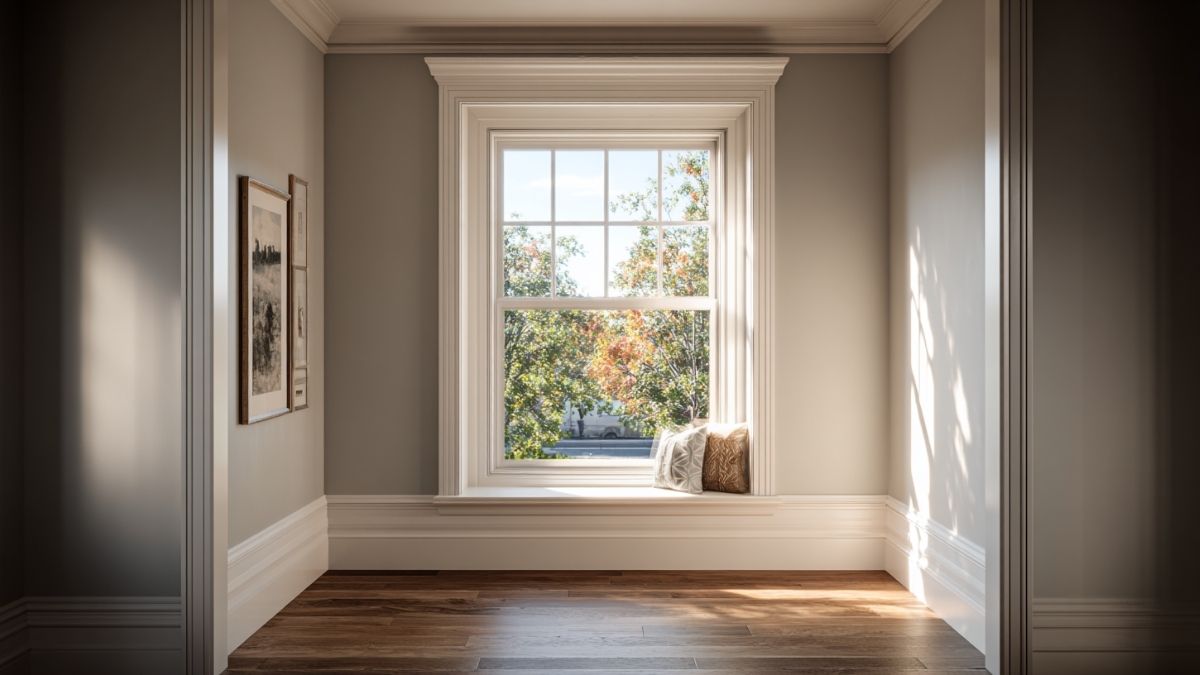
Wood windows offer classic aesthetics and are repairable, while fiberglass provides high durability with thermal stability and lower maintenance; both typically cost more than vinyl but bring different advantages. Fiberglass performs well in extreme temperature swings and is dimensionally stable, making it ideal for narrow or tall openings and for homeowners who want a long-lasting, low-maintenance solution. Wood is often chosen where period-correct or high-end appearances are desired, but wood requires periodic painting or finishing which adds lifecycle maintenance cost. A short comparison table helps decide which material fits your priorities.
| Material | Relative Upfront Cost | Durability / Maintenance | Best For |
|---|---|---|---|
| Vinyl | Low | Low maintenance; good durability | Budget-conscious replacements |
| Fiberglass | Medium–High | Very durable; low maintenance | Long-term performance and narrow profiles |
| Wood (clad) | High | Repairable; requires finish upkeep | Historic homes and premium aesthetics |
Choosing between these materials depends on your budget horizon and maintenance tolerance; financing can make higher-end options affordable, which the next H3 outlines.
What Financing Plans Are Available for Chicago Homeowners?
| Financing Option | Typical Terms | Who It’s Best For |
|---|---|---|
| Unsecured home improvement loan | 24–84 months, fixed interest | Homeowners with strong credit seeking predictable payments |
| Contractor payment plan | 6–24 months, possible 0% promo | Homeowners wanting short-term financing and quick approval |
| Home equity / HELOC | Variable term, secured by home | Long-term financing at lower rates for projects with high ROI |
Budget Construction Company assists homeowners in exploring these options during the free estimate so you can see sample monthly costs tied to specific product choices and loan terms. After deciding on financing, the practical next step is arranging a free in-home estimate, detailed below.
How Can You Get a Free Estimate and Consultation?
Requesting a free estimate begins with a request for an in-home visit where an estimator measures openings, assesses existing frames and trim, and discusses your goals (efficiency, aesthetics, budget). During the visit, homeowners should provide photos or lists of problem windows, clarify whether interior trim or exterior siding work is expected, and indicate any timeline preferences; the estimator then prepares an itemized written quote that separates materials, labor, and optional upgrades. Expect the on-site assessment to take 30–60 minutes for a typical home and to receive a follow-up written estimate within a few days; this process helps compare options transparently and allows for financing discussions if desired.
Budget Construction Company offers free consultations tailored to Chicago properties, providing clear, itemized quotes, recommendations for energy packages suitable for the local climate, and assistance reviewing financing scenarios. Their consultative approach helps homeowners choose the right balance of performance and cost while avoiding unnecessary upgrades.
What Is the Step-by-Step Window Replacement Process with Budget Construction Company?
Understanding the replacement workflow helps homeowners set reasonable timelines and expectations for disruption, scheduling, and deliverables. A clear process includes initial consultation, measurement and ordering, installation, and post-installation inspection and follow-up. Knowing each major step and typical timing reduces uncertainty and provides checkpoints for quality control and communication.
- Initial consultation and measurements establish scope and product selection.
- Ordering and materials scheduling determine lead times based on selected models.
- On-site installation follows a defined sequence: removal, prep, install, seal, and finish.
- Final inspection and homeowner walkthrough confirm workmanship and address punch-list items.
Below we describe what happens during the initial consultation, the key installation steps, and how post-installation care is handled.
How Does the Initial Consultation and Measurement Work?
The initial consultation involves a trained estimator visiting your home to inspect windows, measure openings precisely, and document any structural or finish issues that could affect installation. The estimator discusses homeowner goals—energy savings, aesthetics, budget—and reviews sample products and performance metrics to match the right solution to those goals. Accurate measurements and diagnostic notes allow the estimator to prepare a firm, itemized price that separates retrofit and full-frame options so homeowners can see the cost implications of each approach. This discovery phase is critical because precise measurement reduces the chance of surprises and sets the stage for a timely installation schedule.
What Are the Key Installation Steps?
A high-quality installation follows repeatable steps to ensure weatherproofing and performance: safe removal of the old unit, inspection and repair of the opening, precise placement of the new window, flashing and sealing to prevent water intrusion, and finishing of interior and exterior trim. Installers perform quality checks at each stage—verifying square and plumb, checking for proper sealant application, and testing operation—so the new window functions correctly and meets performance expectations. Typical timelines range from a single window install in a few hours to multi-day schedules for whole-house replacements, and clear communication about daily start and end times helps keep the job on track.
How Is Post-Installation Care and Maintenance Handled?
After installation, a final inspection and homeowner walkthrough confirm aesthetics, operation, and any punch-list items; installers typically provide care instructions and warranty documentation at this time. Regular maintenance, cleaning weep holes, checking seals, and periodic lubrication of moving parts, extends service life, while addressing minor issues early prevents larger repairs. Warranty terms vary by product and installer, so requesting written warranty coverage during the estimate ensures you know what is protected and for how long. If service is needed, a responsive contractor will schedule repairs promptly to maintain performance and homeowner satisfaction.
When Should Chicago Homeowners Consider Replacing Their Windows?
Knowing when to replace windows saves money and prevents comfort issues from persisting. Homeowners should consider replacement when windows show clear performance or safety issues, when repeated repairs accumulate cost, or when replacements unlock meaningful energy savings. This diagnostic section provides concrete signs, explains how old windows affect home value and bills, and offers rules of thumb for when repair is no longer sufficient.
What Are the Common Signs of Inefficient or Damaged Windows?
Look for persistent drafts, visible air leaks, condensation between panes (fogging), difficulty opening or closing sashes, and visible rot or water stains around frames; each sign indicates diminished performance or structural compromise. Drafts increase heating costs and discomfort, fogging indicates seal failure and loss of insulating gas, and rot may signal hidden water intrusion that requires more than cosmetic repair. Identifying these signs early helps prioritize windows for replacement and informs whether retrofit or full-frame work is appropriate. These diagnostic cues lead to understanding how old windows impact value and operating costs.
How Do Old Windows Affect Home Value and Energy Bills?
Old or inefficient windows can reduce resale appeal and increase heating and cooling costs, which prospective buyers may use as a bargaining point during negotiations. Energy-wise, outdated windows increase HVAC runtime, creating persistent monthly costs that accumulate over years; replacing many windows can lower annual energy spend and improve marketability. While local market nuance matters, updated windows are often highlighted in remodeling ROI reports as a high-impact exterior improvement for both comfort and curb appeal. When evaluating replacement, homeowners should weigh potential resale benefits against upfront expense, then decide whether financing or phased replacement aligns with their goals.
When Is Repair Not Enough, and Replacement Is Necessary?
Replacement is necessary when windows are beyond economical repair, frequent sash or frame failures, extensive rot, or compromised structural openings—or when seal failures cause persistent condensation that cannot be corrected by reglazing. Rules of thumb include replacing rather than repairing when the window is older than its expected service life, when repair costs exceed 50% of replacement for that unit, or when repeated service calls indicate an ongoing reliability issue. Sample cost scenarios—such as paying repeated repair bills over several years versus a one-time replacement that improves efficiency—can clarify the better financial path depending on ownership horizon and comfort priorities.
Why Choose Budget Construction Company for Affordable Window Replacement in Chicago?
Budget Construction Company is a family-owned remodeling and renovation contractor serving Chicagoland homeowners with experience in interior and exterior renovations including window replacement, and they position their service around clear value and local expertise. The company emphasizes a personal project manager model, licensed and insured operations, on-time and on-budget delivery, and financing options to make necessary upgrades affordable. Below we explain how these differentiators translate into homeowner benefits and what to expect from their warranty and customer support.
How Does 50 Years of Experience Benefit Chicago Homeowners?
Fifty years of experience means the company has encountered a wide range of Chicago building types, weather-related issues, and permitting scenarios, providing practical problem-solving knowledge that reduces surprises on the job. That longevity helps the team recognize common failure points such as hidden sill rot or atypical flashing needs and propose cost-effective remediation strategies. Experienced crews tend to work more efficiently, which reduces labor hours and unexpected delays, and a long track record provides institutional knowledge for handling tricky installations in older or historic homes. This operational depth supports better planning and more accurate project timelines.
What Does Being Licensed and Insured Mean for Your Project?
Licensed and insured contractors provide homeowners with liability protections and accountability for workmanship should issues arise; licensing indicates adherence to local trade requirements while insurance protects both the homeowner and workers from on-site accidents. Working with a licensed and insured installer reduces financial and legal risks during a construction project and helps ensure compliance with local codes and inspection processes that affect timelines and outcomes. Homeowners should verify credentials during the estimate, and requesting proof of coverage and licensing is a responsible step in hiring any window installer.
How Does a Personal Project Manager Ensure On-Time, On-Budget Delivery?
A personal project manager serves as a single point of contact who coordinates scheduling, manages subcontractors, tracks material orders, and communicates change orders to the homeowner, which minimizes miscommunication and scheduling conflicts. This centralized oversight helps maintain timelines—by anticipating delivery windows and aligning crew availability and controls budget by reviewing change requests before they are executed. With a project manager handling daily logistics and quality checks, homeowners experience fewer surprises and clearer accountability throughout the installation process, improving the likelihood of meeting both deadline and budget expectations.
What Warranty and Customer Support Are Provided?
Warranty coverage typically includes protection against manufacturing defects, seal failure for insulated glass, and workmanship issues for a defined period; the installer should provide written warranty terms that specify coverage length and exclusions. Post-installation support includes a final walkthrough, a documented punch list, and a clear process for requesting follow-up service if adjustments or repairs are needed. Homeowners should ask the estimator to explain warranty terms at the time of contract signing so expectations are set; a responsive support process and documented warranty help ensure long-term satisfaction and performance.
How Can You Get Started with Affordable Window Replacement Today?
Getting started involves requesting a free, no-obligation estimate, preparing a few key details about your home and goals, and discussing financing if you prefer to spread payments. The process is straightforward: schedule a consultation, have an estimator review and measure openings, receive an itemized quote that includes options and financing illustrations, and schedule installation once you’re comfortable with the plan. The following subsections explain how to request a quote, what to expect at the first visit, and how financing support is coordinated.
How Do You Request a Free Window Replacement Quote?
To request a free quote, prepare basic information—number and type of windows you think need replacement, any accessibility constraints (multi-story access), and your primary goals (energy savings, aesthetics, or both)—and contact a local installer to schedule an on-site visit. During the scheduling call or form, mention any timeline constraints such as preferred seasons or upcoming listing dates so the estimator can accommodate scheduling. Typical turnaround for a written estimate after the visit varies by company but is usually a few days; having clear project priorities at the outset helps the estimator prepare options that fit your budget. After receiving comparable quotes, you can evaluate product specs, warranty terms, and financing before deciding.
What Should You Expect During Your First Consultation?
The first consultation generally lasts 30–60 minutes, during which the estimator measures each opening, inspects sills and surrounding siding for damage, discusses performance goals, and reviews product choices and sample performance metrics. You’ll receive guidance on retrofit versus full-frame options and an explanation of how energy features change both price and expected savings. The follow-up deliverable is an itemized written estimate that lays out included work, optional upgrades, and recommended next steps, enabling a transparent decision without pressure. This information naturally leads into financing conversations if spreading payments is desired.
How Does Budget Construction Company Support Financing and Payment Plans?
Budget Construction Company offers assistance in exploring common financing options—such as secured or unsecured home improvement loans and short-term contractor payment plans—and helps homeowners understand how each option affects monthly payments and total project cost. During the estimate, the company can present sample monthly payment scenarios for selected product packages so you can compare the monthly impact versus expected energy savings and comfort improvements. If you prefer, the estimator can outline the documentation typically requested by lenders and suggest which financing option best matches your project timeline and budget. The financing overview provided during the consultation helps you move from estimate to signed agreement with clear payment expectations and an implementation timeline.
Frequently Asked Questions
What are the benefits of energy-efficient windows beyond cost savings?
Energy-efficient windows offer numerous advantages beyond just reducing energy bills. They enhance indoor comfort by maintaining consistent temperatures, minimizing drafts, and reducing condensation. Additionally, these windows can improve your home’s resale value, as buyers often prioritize energy efficiency. They also contribute to a more sustainable environment by lowering overall energy consumption. Furthermore, many energy-efficient windows come with warranties that protect against defects, providing peace of mind for homeowners.
How long does the window replacement process typically take?
The duration of the window replacement process can vary based on several factors, including the number of windows being replaced and the complexity of the installation. Generally, a single window installation can take a few hours, while a whole-house replacement may require several days. After the initial consultation and measurement, homeowners can expect a timeline that includes ordering materials, installation, and final inspections. Clear communication with the contractor can help set realistic expectations for the project duration.
What should homeowners do to prepare for a window replacement?
Homeowners can take several steps to prepare for a window replacement project. First, clear the area around the windows to ensure easy access for installers. Remove any window treatments, such as curtains or blinds, and protect nearby furniture and flooring from dust and debris. It’s also helpful to discuss any specific concerns or preferences with the contractor during the initial consultation. Finally, ensure that pets and children are kept away from the work area for safety during the installation process.
Are there any financing options available for window replacement?
Yes, many contractors, including Budget Construction Company, offer various financing options to help homeowners manage the costs of window replacement. Common options include unsecured home improvement loans, contractor payment plans, and home equity lines of credit (HELOC). These financing plans can vary in terms, interest rates, and repayment periods, allowing homeowners to choose the option that best fits their budget and financial situation. Discussing financing during the initial consultation can help clarify available choices.
What maintenance is required for new windows after installation?
New windows require minimal maintenance, but regular care can extend their lifespan and performance. Homeowners should periodically clean the glass and check for any dirt or debris in the weep holes to ensure proper drainage. Inspect seals and weather stripping for wear and tear, and lubricate moving parts, such as hinges and locks, to maintain functionality. Additionally, following the manufacturer’s care instructions and addressing any minor issues promptly can prevent larger problems down the line.
How can homeowners assess if their windows need replacement?
Homeowners can look for several signs that indicate their windows may need replacement. Common indicators include persistent drafts, visible condensation between panes, difficulty opening or closing windows, and noticeable rot or water damage around frames. If energy bills have increased significantly or if the windows are over 15-20 years old, it may be time to consider replacement. Conducting a thorough inspection and consulting with a professional can help determine whether repair or replacement is the best course of action.
What types of windows are best suited for Chicago’s climate?
In Chicago’s climate, which features cold winters and hot summers, energy-efficient windows are essential. Double or triple-pane windows with Low-E coatings and argon gas fills are ideal as they provide excellent insulation and reduce heat transfer. Vinyl and fiberglass frames are also recommended due to their durability and low maintenance needs. Homeowners should consider windows that meet local building codes and are designed to withstand high winds and temperature fluctuations, ensuring long-term performance and comfort.
Conclusion
Understanding the costs and factors involved in window replacement empowers Chicago homeowners to make informed decisions that enhance comfort and energy efficiency. By evaluating material choices, installation methods, and energy-efficient upgrades, you can optimize your investment for long-term savings. When you’re ready to explore your options, Budget Construction Company offers free estimates tailored to your specific needs. Contact us today to start your journey toward improved home value and comfort.