

Choosing the right countertop material is an essential decision when designing or renovating your kitchen. Each material brings its own set of benefits and challenges, and understanding these can help you make a well-informed decision. With numerous options available in the market, it can be overwhelming to decide which material best suits your needs. In this article, we’ll explore laminate countertops in depth, comparing them to other popular materials to help you make an informed choice.
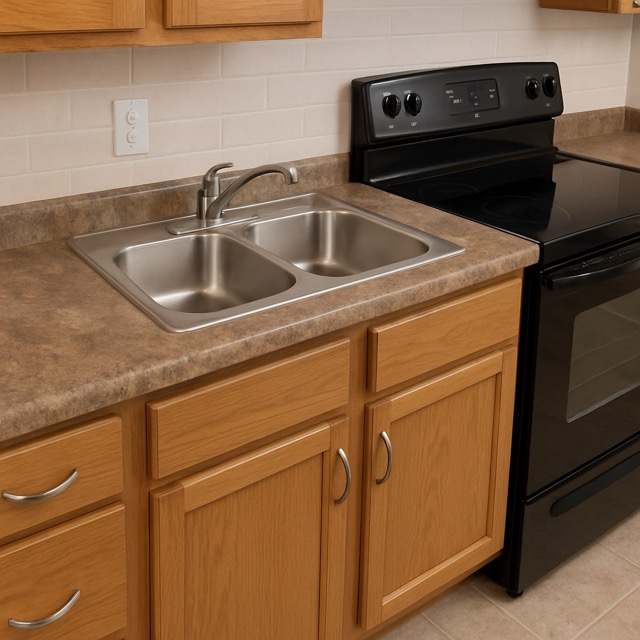
Laminate countertops, often referred to as plastic countertops, are a popular choice due to their affordability and versatility. They are constructed from layers of paper or fabric that are impregnated with resin, creating a hard, durable surface once bonded to a substrate like particleboard or MDF (medium-density fiberboard). This manufacturing process allows for a wide range of design possibilities and functional advantages.
Composition and Construction
The creation of laminate countertops involves multiple layers. The top layer is a decorative layer that can emulate the appearance of more expensive materials such as granite, marble, or wood. Beneath this, the core layer provides strength and stability, typically made from particleboard or MDF. This core is then laminated with melamine resin to ensure durability and moisture resistance.
Design Versatility
Laminate countertops are renowned for their extensive design options. With advancements in printing and embossing technologies, laminate can mimic the look and texture of virtually any material. Whether you desire the look of polished stone, warm wood grain, or a bold, unique pattern, laminate can offer an aesthetic that complements your kitchen’s design.
Affordability and Accessibility
One of the key reasons homeowners gravitate towards laminate countertops is their cost-effectiveness. Compared to materials like granite or quartz, laminate is significantly more affordable, often costing a fraction of the price. This makes laminate an attractive option for budget-conscious homeowners or those looking to remodel a large kitchen space without excessive expenditure.
Advantages of Laminate Countertops
Cost-Effective Option
Laminate countertops stand out as one of the most economical choices on the market. Their affordability is not just in the initial purchase price but extends to other cost-saving aspects. Installation costs are lower, and they do not require expensive maintenance or sealing, reducing long-term expenses.
Easy Installation
Installing laminate countertops is a straightforward process. For those with a knack for DIY projects, installing these countertops can be a weekend task. Kits are available that simplify the process, and detailed instructions often accompany purchases. This ease of installation further enhances the appeal of laminate as a cost-effective solution.
Wide Range of Design Choices
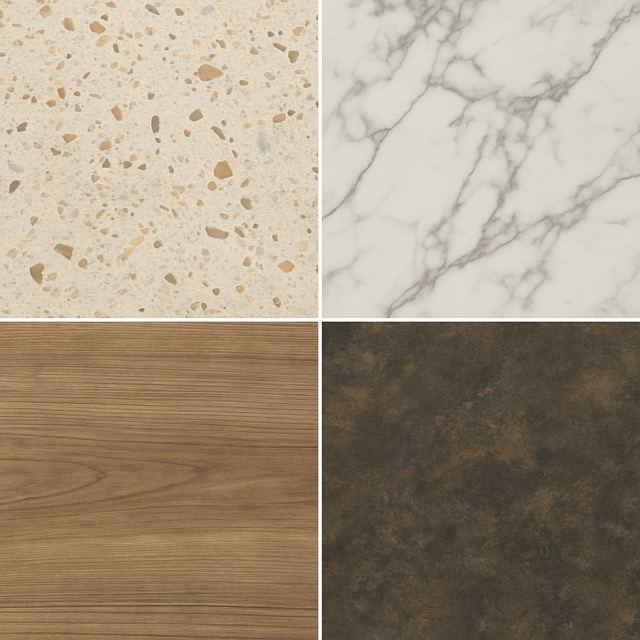
Laminate countertops offer an unparalleled range of design possibilities. From mimicking high-end materials like marble and granite to offering vibrant colors and unique patterns, the options are limitless. This versatility allows homeowners to express personal style and creativity without compromising on functionality.
Low Maintenance
One of the most appealing features of laminate countertops is their low maintenance requirements. A simple wipe with a damp cloth and mild detergent is usually sufficient for cleaning. Unlike materials like wood or stone, laminate does not require periodic sealing, polishing, or special cleaning products, making it an ideal choice for busy households.
Durability
While not as indestructible as granite or quartz, laminate countertops offer decent durability. They can withstand everyday kitchen activities, including food preparation and minor spills. With proper care, such as using cutting boards and hot pads, laminate countertops can maintain their appearance and functionality for years.
Comparing Laminate to Other Materials
When comparing laminate countertops to other materials, it’s essential to consider factors like cost, durability, appearance, and maintenance. Each material has its pros and cons, and understanding these can help you prioritize what is most important for your kitchen.
Laminate vs. Granite
Granite is a natural stone that is often seen as a symbol of luxury and sophistication. However, it is one of the more expensive countertop options available.
- Cost: Laminate countertops are more budget-friendly than granite, making them accessible to a broader range of homeowners.
- Durability: Granite is highly durable, resistant to heat and scratches. However, laminate is easier to repair if damaged, as replacing a section is often all that’s needed.
- Maintenance: Granite requires regular sealing to protect against stains and maintain its luster, whereas laminate’s maintenance is minimal and straightforward.
- Appearance: Granite offers unique, natural veining and patterns, while laminate can imitate these looks at a lower cost, providing similar aesthetics without the price tag.
Laminate vs. Quartz
Quartz countertops are made from engineered stone, known for their durability and non-porous nature. They offer a sleek, modern appearance but are priced higher.
- Cost: Quartz is a pricier investment than laminate, making laminate a more economical choice for those watching their budget.
- Durability: Quartz is exceptionally durable, resistant to scratches and heat. While laminate is less robust, it holds up well with appropriate care and preventive measures.
- Maintenance: Both quartz and laminate are low-maintenance, requiring only regular cleaning to stay pristine.
- Appearance: Quartz offers a contemporary look with a limited range of patterns compared to laminate, which boasts a broader spectrum of design options.
Laminate vs. Solid Surface
Solid surface countertops, like Corian, provide a seamless appearance and come in numerous colors and patterns. They are moderately priced, sitting between laminate and natural stone.
- Cost: Solid surface options are more costly than laminate but less expensive than stone, providing a middle-ground choice.
- Durability: Both are relatively durable, but solid surface materials are more resistant to scratches and can be buffed to remove minor damage.
- Maintenance: Solid surfaces require occasional buffing, while laminate remains low-maintenance, only needing routine cleaning.
- Appearance: Solid surfaces offer a seamless, uniform look, whereas laminate provides greater design versatility, including textures and patterns that mimic various natural materials.
Laminate vs. Wood
Wood countertops, often called butcher block, bring warmth and a natural feel to kitchens but demand regular maintenance.
- Cost: Laminate is generally less expensive than wood, making it a more budget-friendly option for those looking to save.
- Durability: Wood can be more vulnerable to scratches, moisture, and heat damage, while laminate is more resistant to these issues.
- Maintenance: Wood requires regular sealing and careful maintenance to prevent damage, whereas laminate is low-maintenance and easy to clean.
- Appearance: Wood offers a timeless, warm aesthetic, while laminate can replicate this look without the associated upkeep, providing a practical alternative.
Choosing the Right Laminate Countertop
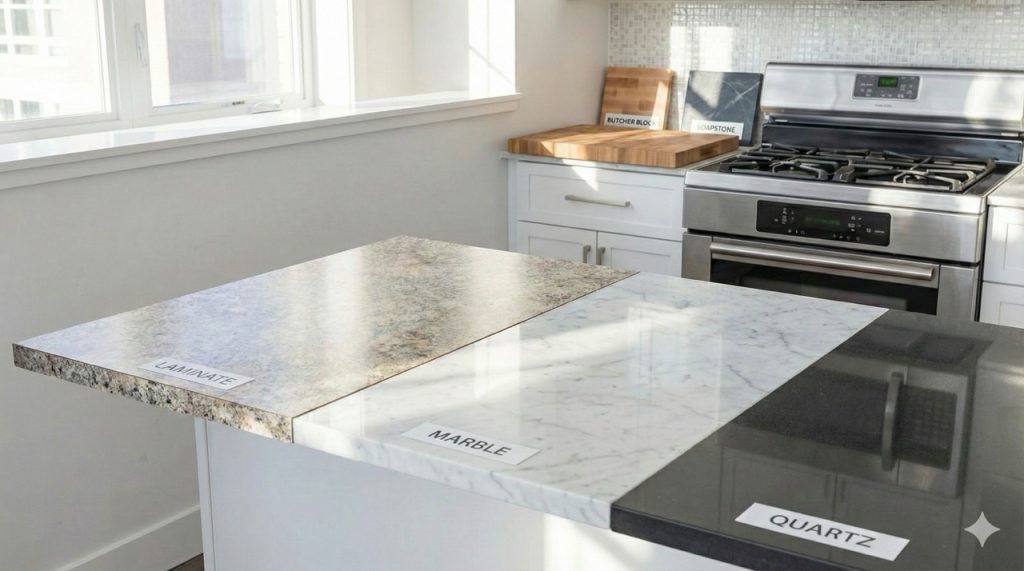
Selecting the right laminate countertop involves considering several factors to ensure it complements your kitchen design and meets your functional needs.
Color and Pattern Selection
Consider the overall color scheme and style of your kitchen when selecting laminate countertops. Neutral tones like white, gray, and beige are popular for their versatility, while bolder colors like black and blue can make a striking statement. Patterns can range from subtle to intricate, allowing you to personalize your space.
Texture and Finish
The texture and finish of your laminate countertop can significantly impact its appearance and feel. Matte finishes can provide a modern, sleek look, while textured surfaces can add depth and interest. High-end laminates offer more realistic textures that mimic natural materials, enhancing the countertop’s aesthetic appeal.
Customization Options
For those seeking something unique, customized laminate countertops can offer a tailored solution. Many manufacturers provide options to select specific patterns, colors, and edge details, allowing you to create a countertop that perfectly suits your kitchen’s design and your personal taste.
Where to Buy Laminate Countertops
Laminate countertops are widely available, offering convenience for homeowners looking to purchase.
Home Improvement Stores
Major home improvement stores like Home Depot and Lowe’s carry a broad range of laminate countertop options. They provide the advantage of seeing samples in person and often offer installation services, making the purchasing process more straightforward.
Specialized Retailers
Specialized laminate countertop companies and makers offer a more extensive selection and expertise. These retailers often provide custom solutions and may offer higher-end options not available in general stores, allowing for more personalized choices.
Online Marketplaces
Online shopping platforms provide access to a wide array of laminate countertop options. While this can offer convenience and competitive pricing, it’s essential to read customer reviews and verify warranties to ensure product quality and satisfaction.
Conclusion
Laminate countertops offer an affordable, versatile, and stylish option for homeowners seeking to update their kitchens without breaking the bank. By understanding the advantages and limitations of laminate compared to other materials, you can make an informed decision that best suits your needs and preferences.
Whether you’re renovating your entire kitchen or simply updating your countertops, consider the benefits of laminate countertops as a cost-effective and attractive solution. With their diverse range of designs and ease of maintenance, laminate countertops can provide the aesthetic appeal and functionality you desire in your kitchen.