

10 Steps for Selecting Your Ideal Chicago Home Remodel Contractor
Dreaming of a home transformation in Chicago without any unwelcome surprises? If you’ve been pondering, “How do I find the right contractor for my Chicago home renovation?” this guide is packed with expert insights, straightforward steps, and local knowledge to safeguard your investment and ensure a seamless project. You’ll discover how to confirm credentials and insurance, vet client feedback, compare estimates and agreements, manage communication and schedules, review past work, navigate Chicago’s permit maze, gauge personality compatibility, understand payment terms and warranties, and verify subcontractor quality. Each tip is designed to help you secure a dependable professional and sidestep common renovation headaches.
Start by verifying licenses and insurance to protect yourself from unlicensed work, then move on to checking references and reviewing bid details before delving into project management and portfolio assessment. You’ll finish this guide feeling confident in your choice and equipped to maintain quality control from start to finish. Let’s make your home renovation a stress-free and successful experience.
How Do You Confirm Licenses and Insurance for Chicago Home Renovation Contractors?
Confirming a contractor’s licenses and insurance verifies their legal standing and shields you financially from liability, worker injuries, and code violations. This essential due diligence minimizes risks, prevents project delays, and brings peace of mind to Chicago homeowners. For instance, ensuring a contractor holds active licenses and valid insurance policies can save you from significant liability claims if an accident occurs on your property, setting the foundation for a trustworthy working relationship.
What Are the Illinois Contractor Licensing Requirements?
To operate legally within Illinois, renovation professionals must possess a valid registration with the Illinois Department of Financial and Professional Regulation (IDFPR). Key requirements include:
- Registering as a Home Improvement Contractor with the IDFPR.
- Completing necessary continuing education every two years.
- Maintaining a physical business address and adhering to tax regulations.
- Clearly displaying their license number on all contracts and marketing materials.
Verifying Illinois Remodel Contractor Licenses
To operate legally in Illinois, remodelers must hold a valid registration with the Illinois Department of Financial and Professional Regulation (IDFPR). This includes registering as a Home Improvement Contractor and completing continuing education every two years.
Confirming these requirements ensures your contractor meets state standards and is held accountable. Next, let’s explore how insurance further protects your project.
How to Confirm General Liability and Workers’ Compensation Insurance?
General liability and workers’ compensation policies are crucial for protecting you from third-party claims and employee injuries. To verify coverage:
- Request policy certificates from the contractor, detailing coverage limits.
- Confirm the policy’s validity dates and coverage amounts (aim for at least $1 million in liability coverage).
- Contact the insurer directly to confirm the policy is active and includes worker injury protection.
Ensuring both policies are current safeguards you against financial losses and project disruptions. With insurance verified, you’re ready to look into official license records.
Where Can You Check a Contractor’s License Status in Chicago?
Chicago homeowners can verify contractor licenses through these official channels:
- The Illinois IDFPR website’s license lookup tool.
- The City of Chicago Department of Buildings’ permit records.
- Better Business Bureau (BBB) profiles that include verified credentials.
Checking Chicago Contractor License Status
Chicago homeowners can verify licensure through the Illinois IDFPR website license lookup tool, City of Chicago Department of Buildings permit records, and Better Business Bureau profiles. These resources provide real-time status and complaint history.
These resources offer up-to-date status information and complaint histories, helping you confirm a contractor’s legitimacy before signing any agreements. With verified credentials and coverage in hand, you can move on to gathering social proof.
How Can You Effectively Check References and Reviews for Chicago Renovators?

Evaluating references and online reviews provides genuine insights into client experiences, project quality, and a contractor’s reliability. This social proof highlights their communication style, craftsmanship, and problem-solving abilities, helping you avoid contractors who lack follow-through. For example, consistent positive feedback regarding on-time project completion and tidy job sites suggests a renovator who respects your time and your home.
Before you dive into client feedback, consider reputable review sources that offer unbiased opinions.
What Are Reliable Sources for Contractor Reviews in Chicago?
Turn to established platforms for authentic feedback:
- Google Reviews for a wide range of homeowner comments.
- Better Business Bureau (BBB) for records of resolved disputes.
- Angi for project visuals and detailed client testimonials.
Reliable Sources for Contractor Reviews in Chicago
Established platforms for authentic feedback include Google Reviews, the Better Business Bureau (BBB), and Angi. These sources help compare ratings and pinpoint recurring praises or complaints.
These platforms help you compare ratings and identify consistent praise or recurring complaints. Once you’ve gathered reviews, it’s essential to analyze the content for meaningful insights.
How to Evaluate Client Testimonials and Past Project Feedback?
Look for specific details within testimonials:
- Mentions of clear communication and regular project updates.
- Descriptions of how unexpected issues were managed within budget.
- Before-and-after project photos that accurately reflect the described scope.
Digging into narrative feedback reveals how a contractor handles challenges and delivers results. Positive, detailed accounts indicate a renovator who prioritizes transparency and quality, guiding you toward the next stage of vetting.
Why Are Local Chicago References Important for Renovators?
Local references demonstrate a contractor’s familiarity with Chicago’s unique challenges, such as historic district regulations, permit processing times, and weather-related scheduling. A contractor experienced in restoring Lincoln Park gray-stones or rebuilding South Side porches understands neighborhood codes and local material sourcing. This local expertise ensures smoother permit approvals and better design solutions that complement your area’s character.

What Should You Look for in Detailed Bids and Renovation Contracts?
Clear, itemized bids and contracts define the project scope, costs, and timelines, minimizing surprises and potential disputes. A well-structured contract promotes accountability by clearly outlining deliverables, payment terms, warranties, and dispute resolution procedures. When you fully understand every clause, you gain control over your budget and the project’s quality, setting the stage for a successful renovation.
Below is a sample breakdown of common contract elements you should expect.
| Scope Item | Description | Why It Matters |
|---|---|---|
| Scope of Work | Detailed list of tasks, materials, and finishes | Prevents scope creep and unexpected charges |
| Payment Schedule | Milestone payments linked to completed work phases | Balances financial risk and cash flow |
| Change Orders | Process for approving cost or design modifications | Maintains flexibility without causing disputes |
| Warranty Terms | Duration and coverage for labor and materials | Ensures post-project protection |
| Dispute Process | Mediation or arbitration steps for resolving conflicts | Provides a clear path to resolution |
This table clarifies essential clauses, empowering you to negotiate with confidence. Next, let’s explore each contract element in detail.
Which Key Clauses Must Be Included in a Renovation Contract?
A comprehensive contract should include:
- A precise scope of work detailing material specifications.
- A payment schedule linked to project milestones.
- Warranty coverage details for both workmanship and materials.
- Procedures for change orders, including pricing guidelines.
- Dispute resolution steps to avoid costly legal battles.
These clauses protect your interests and keep the project on track by establishing clear expectations.
How Do Payment Schedules and Change Orders Work?
Payment schedules divide the total project cost into manageable installments, typically a deposit, payments during the project, and a final invoice. Change orders document any adjustments to the scope, including updated pricing and timelines. This transparency ensures you only pay for agreed-upon work and prevents misunderstandings when design modifications are needed.
What Are Common Contract Pitfalls to Avoid?
Be cautious of:
- Vague descriptions of work that could lead to hidden fees.
- Large upfront payments that exceed typical industry standards (generally no more than 20%).
- The absence of a clear process for handling change orders.
- Missing warranty terms or dispute resolution clauses.
Avoiding these common pitfalls empowers you to hold your contractor accountable.
How Important Is Communication and Project Management with Your Renovation Contractor?
Effective communication and robust project management are key to coordinating schedules, providing updates, and resolving questions before they lead to delays. A contractor who offers weekly progress reports, maintains clear communication channels, and assigns a dedicated project lead can significantly reduce homeowner stress, ensuring tasks remain on schedule and within budget.
What Are Effective Communication Strategies During Renovations?
Top strategies include:
- Scheduled weekly site meetings with documented minutes.
- Daily photo or text updates for remote progress monitoring.
- A single point of contact (project manager) for all inquiries.
These methods keep you informed and maintain project momentum, preventing confusion that can derail timelines.
How Does a Project Manager Influence Your Home Renovation?
A dedicated project manager is responsible for planning tasks, ordering materials, scheduling inspections, and coordinating subcontractors. By centralizing oversight, they enhance efficiency, minimize miscommunication, and promptly address on-site issues. This leadership role is vital for maintaining quality control and ensuring timely project completion.
How Are Project Timelines and Milestones Managed?
Detailed schedules outline the start and end dates for each phase, from demolition and framing to plumbing, electrical, and finishing touches, allowing you to track progress and anticipate occupancy. Milestone tracking ensures teams remain accountable and highlights any potential delays early on, enabling timely adjustments before costs escalate.
How Do You Assess a Contractor’s Portfolio and Experience in Chicago Renovations?
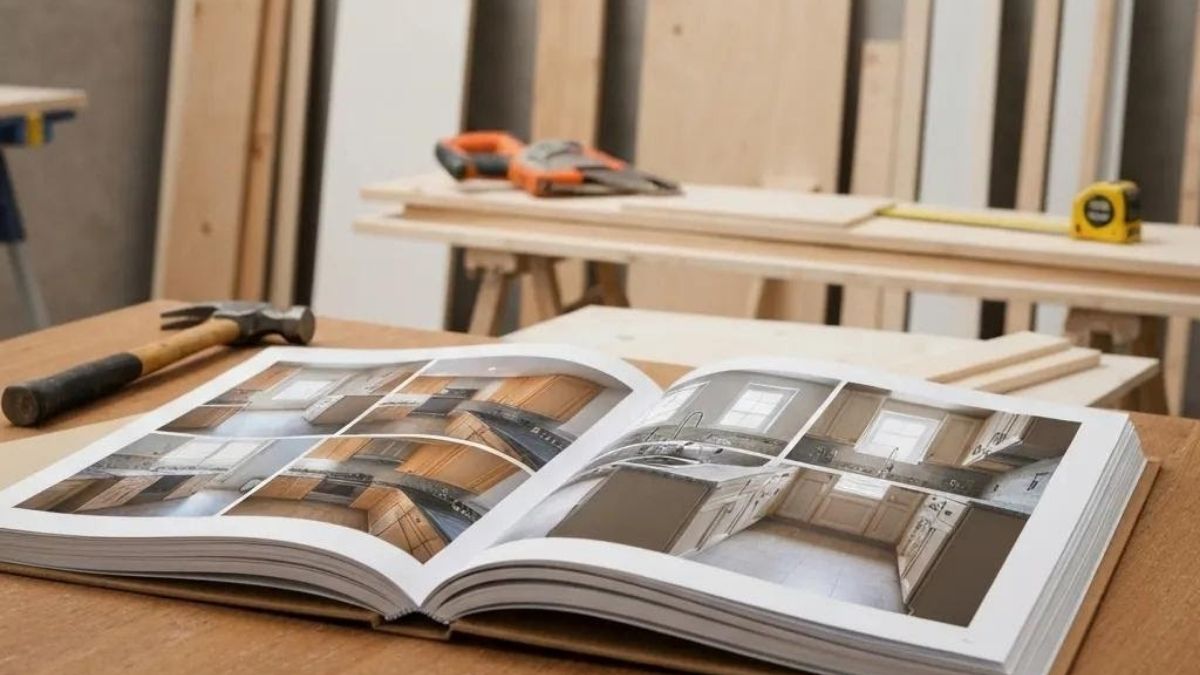
Reviewing a contractor’s past projects showcases their craftsmanship, design aesthetic, and local expertise. Experienced contractors will provide project galleries and case studies that align with your vision and neighborhood requirements, helping you select a team skilled in the specific type of renovation you need, whether it’s kitchens or exterior work.
What Chicago-Specific Renovation Projects Should You Review?
- High-end kitchen upgrades in Lincoln Park brownstones.
- Bathroom renovations in vintage South Loop lofts.
- Basement finishing in historic Bucktown homes.
- Covered porch and deck additions on Lakeview cottages.
How Can Before-and-After Photos Demonstrate Quality Craftsmanship?
Side-by-side photos highlight precision in trim work, tile alignment, cabinet installation, and final finishes. This visual evidence confirms the contractor’s attention to detail and their ability to seamlessly transform spaces.
Why Is Local Chicago Renovation Experience Crucial?
A team familiar with Chicago’s building codes, inspection schedules, and weatherproofing standards can navigate the permit process efficiently and select materials suited for seasonal temperature fluctuations. For specialized services, explore Budget’s Chicago Kitchen Renovation Services or Chicago Bathroom Renovation Experts to view detailed case studies. You can also browse our work on Outdoor Home Exteriors to see examples of deck, siding, and roofing updates.
What Are the Chicago-Specific Permits and Regulations You Must Know?
Navigating Chicago’s permit requirements means understanding the necessary approvals for structural, electrical, plumbing, and exterior work. Securing the correct permits ensures your project passes inspections, meets legal standards, and avoids stop-work orders that can halt your renovation.
Which Permits Are Required for Home Renovations in Chicago?
Chicago projects typically require:
- A building permit for any structural modifications.
- An electrical permit for wiring and panel upgrades.
- A plumbing permit for pipe and fixture installations.
These permits confirm your project adheres to Chicago Building Codes and protect you from potential code violations.
Chicago Building Codes
The Chicago Construction Codes establish minimum standards for the construction, alteration, repair, maintenance, and demolition of buildings and other structures to protect public health, safety, and welfare. The Department of Buildings periodically issues clarifications and interpretations of the Chicago Construction Code.
How Do Historic Preservation District Rules Affect Renovations?
Homes located within historic districts must adhere to the Commission on Chicago Landmarks’ guidelines regarding exterior appearance, materials, and architectural details. Contractors experienced with these regulations can submit appropriate drawings and avoid costly rework when preserving historic character.
Chicago Landmark Designation
Homes in historic districts must comply with the Commission on Chicago Landmarks guidelines on exterior appearance, materials, and architectural details. The Historic Preservation Division reviews permit applications for work involving designated Chicago landmarks.
Where Can You Find Official Chicago Building Codes and Guidelines?
Access authoritative resources at:
- The City of Chicago Department of Buildings website.
- The online Chicago Municipal Code at municode.com.
- Local permit offices and plan review counters.
Knowing where to find this information prepares you to verify your contractor’s compliance.
How Do You Evaluate Personality Fit and Trustworthiness with Your Renovation Contractor?
Trustworthy renovators demonstrate transparency, clear communication, and professional conduct. Assessing personality compatibility ensures you feel comfortable voicing concerns and confident that your contractor respects your vision and your home.
What Are Signs of a Trustworthy and Professional Contractor?
- Prompt responses to calls and emails.
- Clear, written estimates and explanations for change orders.
- Respectful treatment of your property and professional crew conduct.
How Does Personality Fit Impact Project Success?
A contractor who actively listens, is receptive to feedback, and shares your aesthetic vision fosters a collaborative environment. A positive rapport encourages open discussions about budget, design adjustments, and scheduling, ultimately reducing stress and enhancing the final outcome.
What Should You Know About Payment Schedules and Warranties in Renovation Contracts?
Balanced payment plans and robust warranties protect your investment by aligning financial risk with completed work and guaranteeing quality long after the project concludes. Clear terms prevent disputes and ensure the contractor stands behind their craftsmanship.
How Are Payment Milestones Typically Structured?
- An initial deposit (10–20% upon contract signing).
- Progress payments tied to the completion of key phases like demolition, framing, and finishing.
- A final payment upon final inspection and punch-list approval.
This structure incentivizes timely progress and links payments to visible achievements.
What Types of Warranties Should You Expect?
- A one-year labor warranty covering workmanship defects.
- Manufacturer warranties on appliances, fixtures, and materials.
- Extended warranties available for specific installations (e.g., windows).
Strong warranty terms provide peace of mind and guarantee long-term performance.
Why Is It Important to Ask About Subcontractors and Quality Control?
Subcontractors perform specialized tasks under the contractor’s oversight. Inquiring about their vetting process and quality control measures ensures consistent workmanship, accountability, and adherence to your project standards.
How Does a Contractor Manage Subcontractors on Your Project?
- Pre-qualifying subcontractors for insurance and licensing.
- Integrating subcontracted work into the master project schedule.
- Conducting on-site inspections upon the completion of each trade’s work.
This coordination prevents quality gaps and keeps tasks aligned with project milestones.
What Quality Assurance Measures Should Be in Place?
- Mid-project quality walkthroughs involving you and the lead carpenter.
- Punch-list inspections at each project milestone.
- A final walkthrough and sign-off before the final payment is issued.
These steps ensure every detail meets your expectations. For additional interior services like basement finishing or flooring, explore our Indoor Home Interiors to see how we maintain high standards throughout every stage.
By following these 10 essential tips, you’ll be well-equipped to hire a licensed, insured, and experienced renovation contractor who communicates effectively, manages your project efficiently, and delivers quality results in compliance with Chicago’s regulations. At Budget Construction Company, we combine local expertise, comprehensive services, and a client-focused approach to bring your vision to life. Ready to begin? Request a quote today and let us guide your home renovation from concept to completion: Request a Quote.